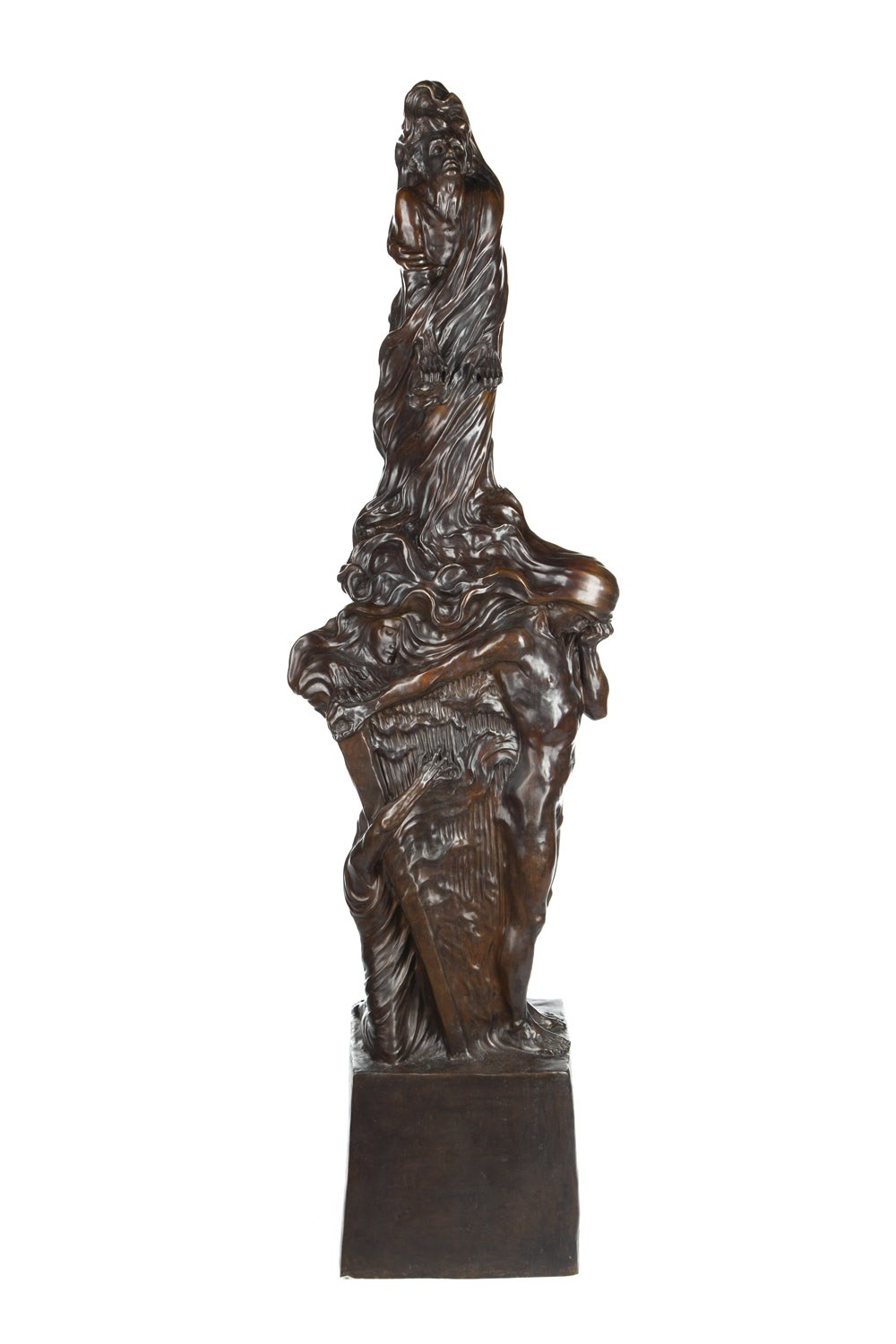
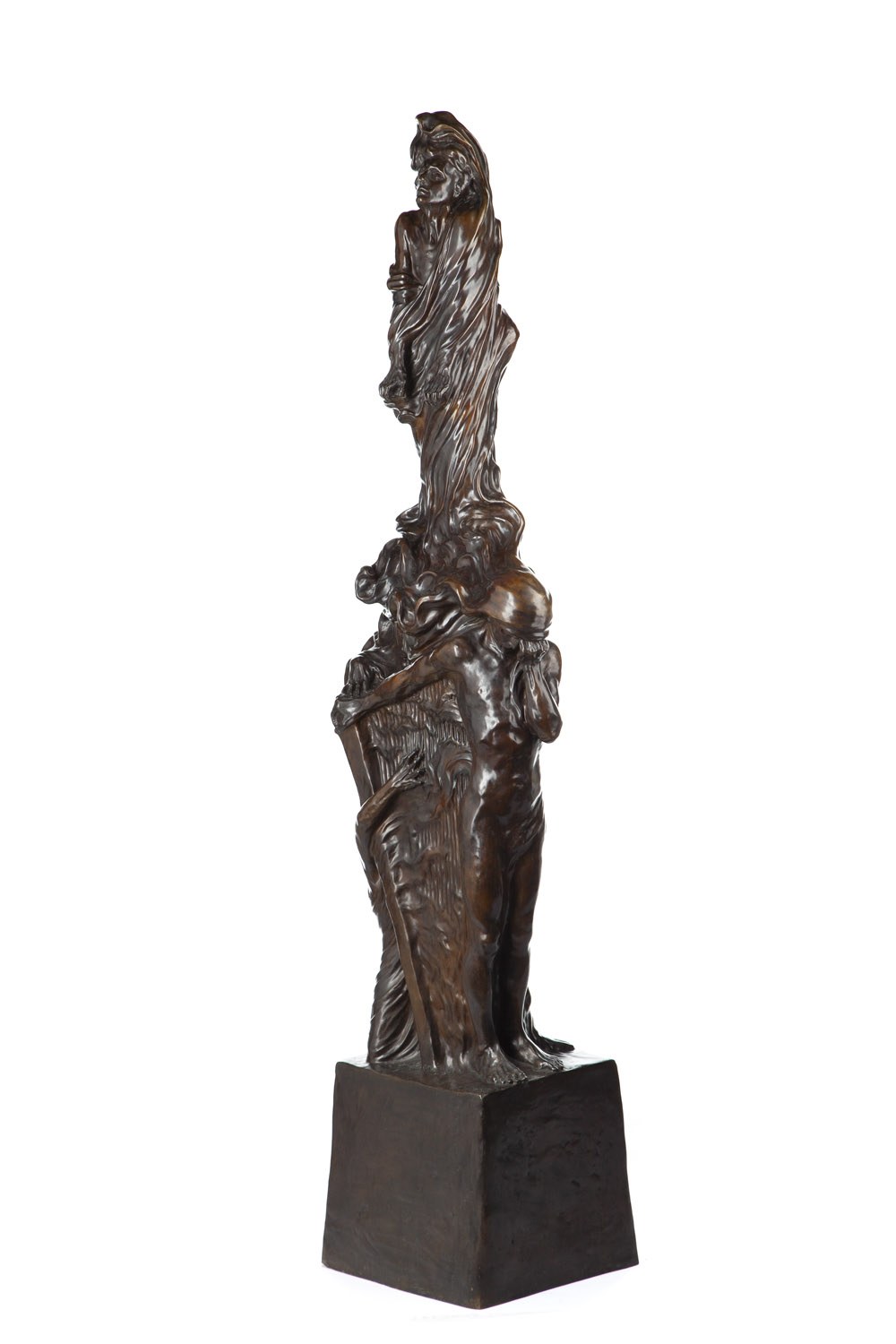
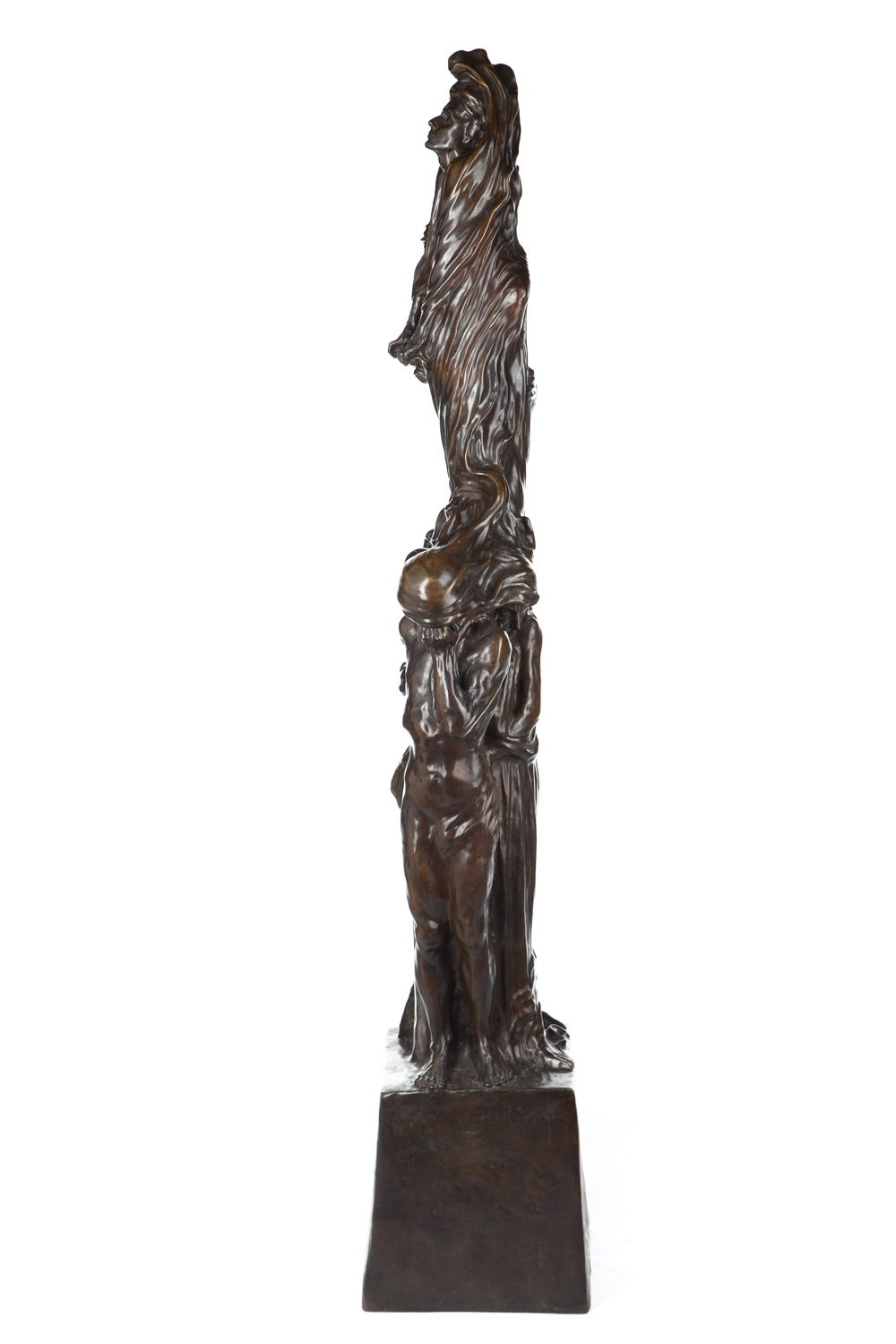
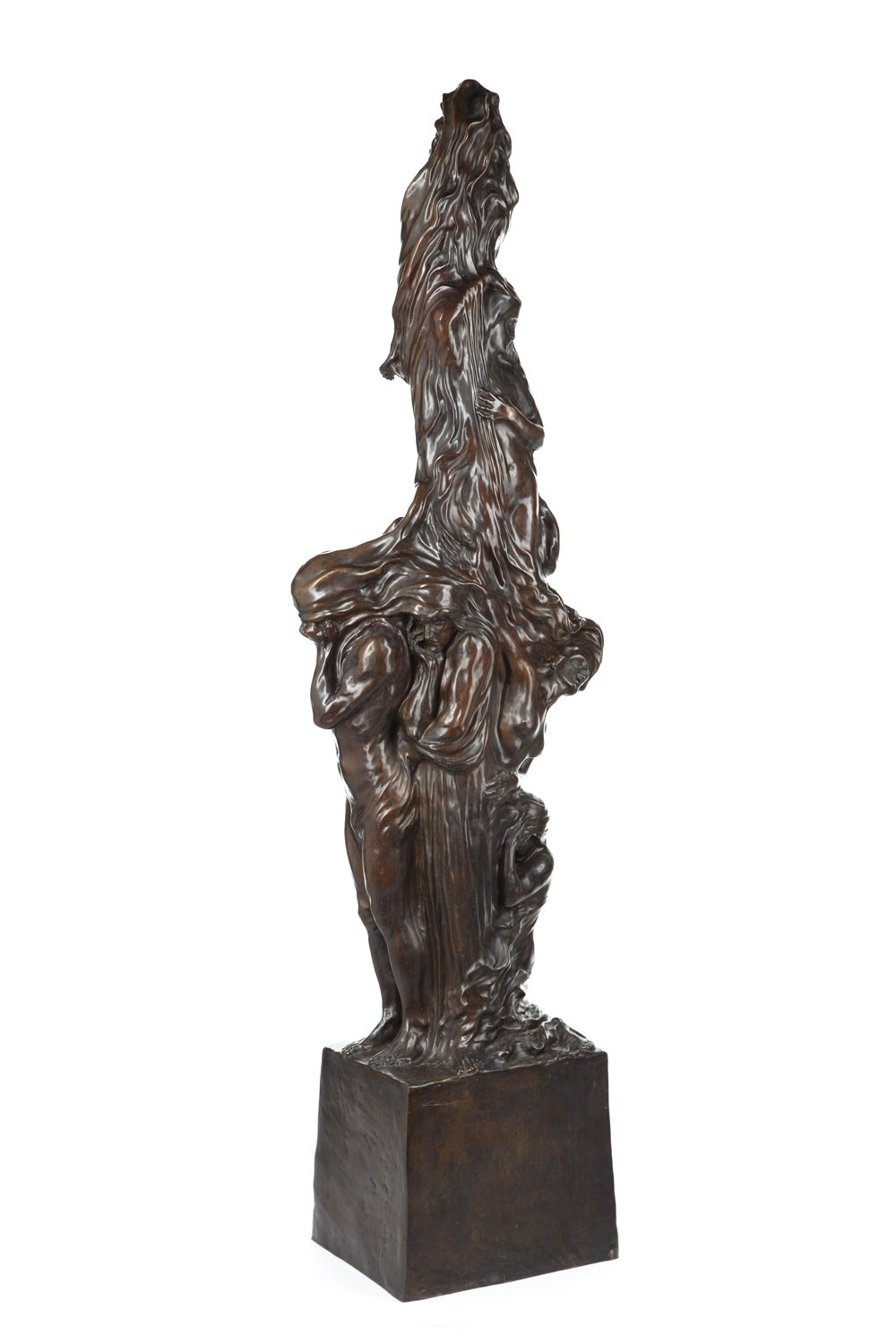
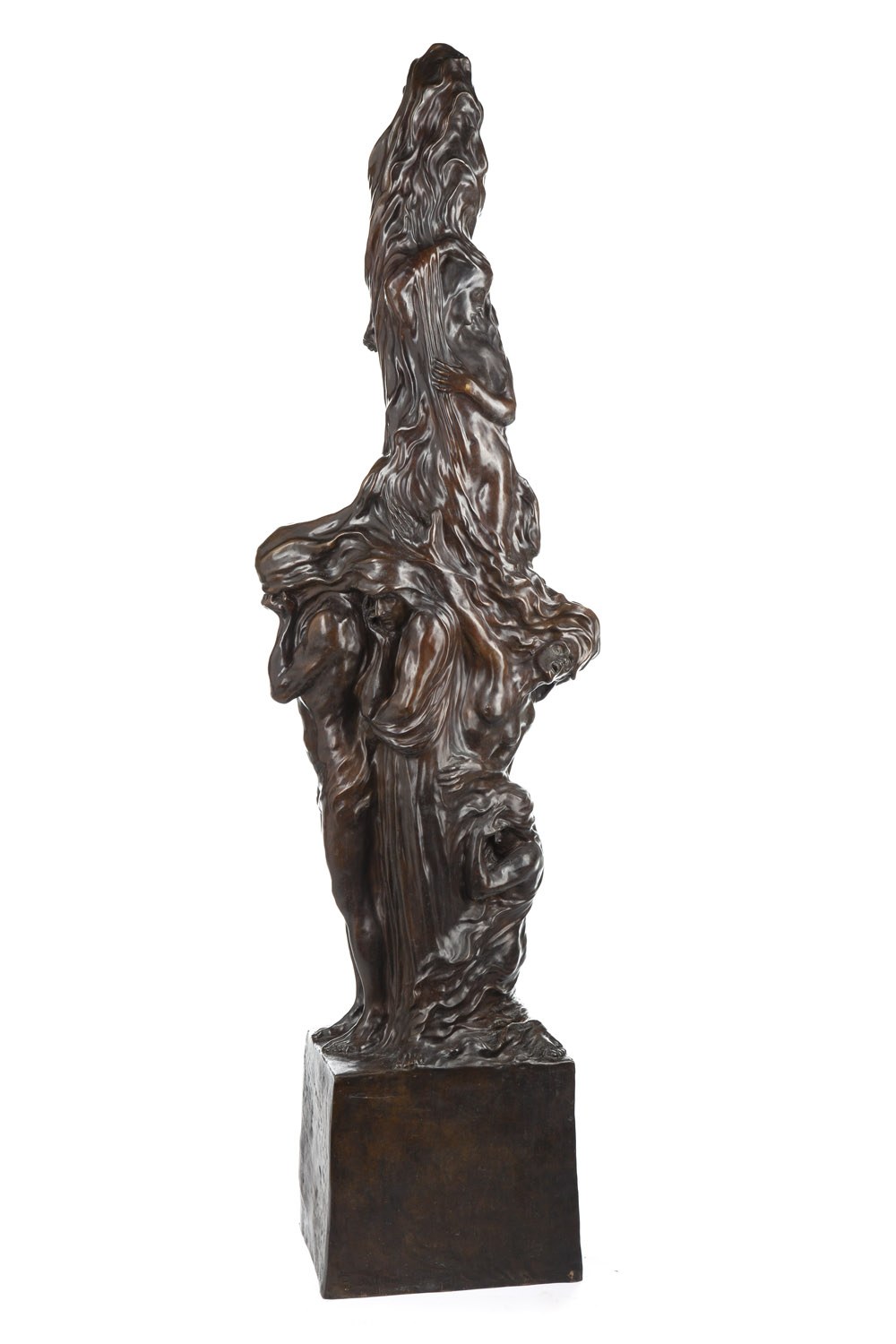
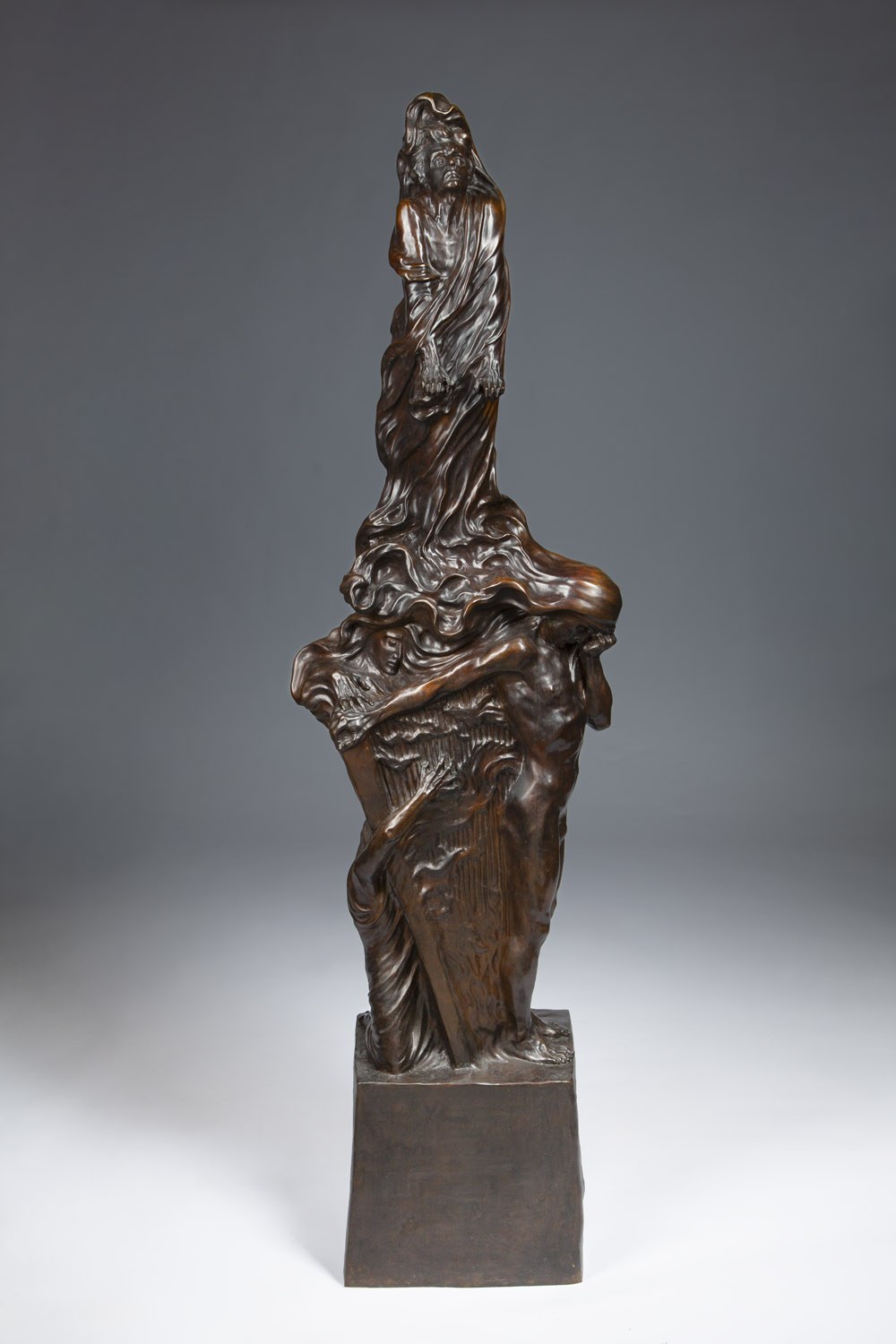
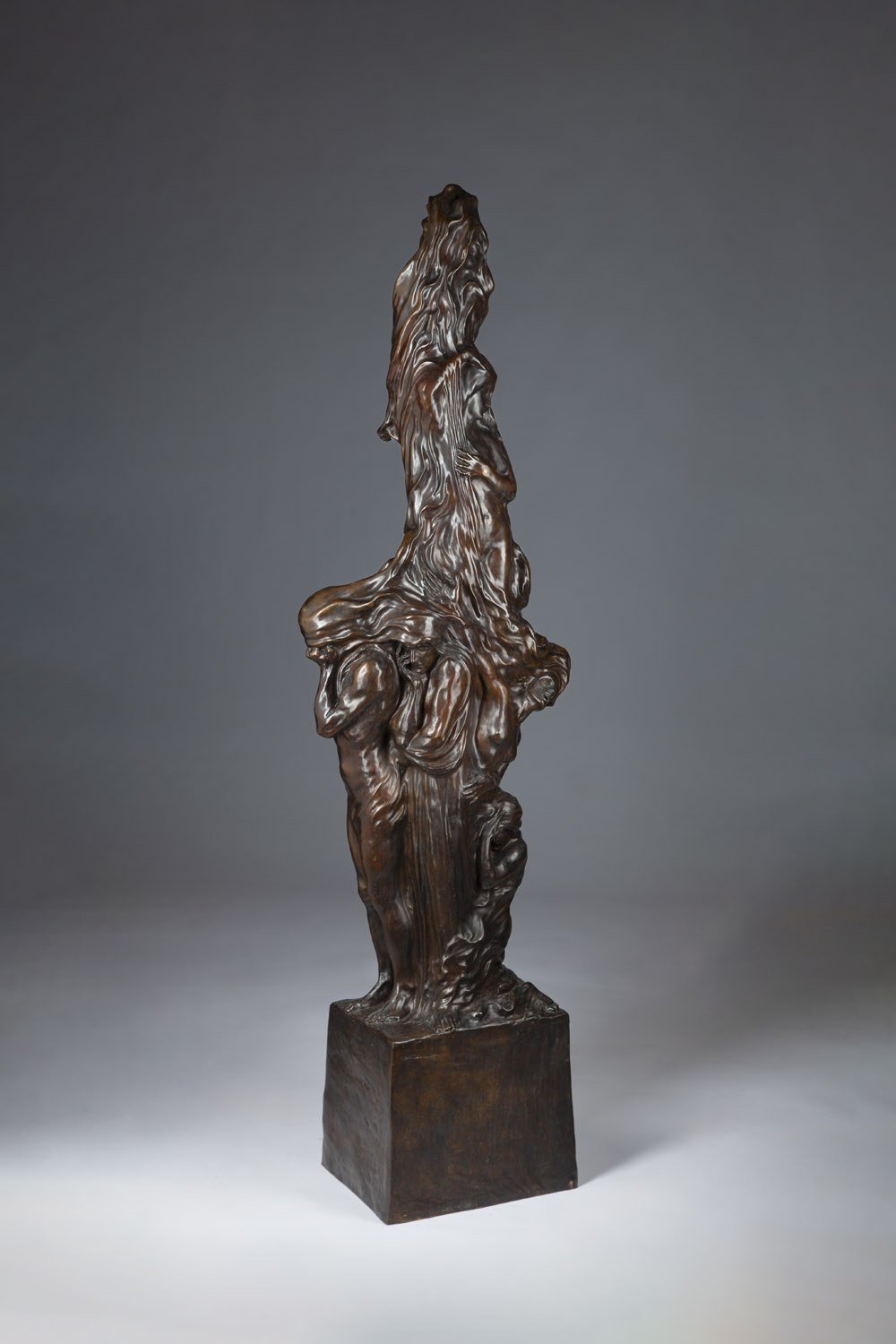
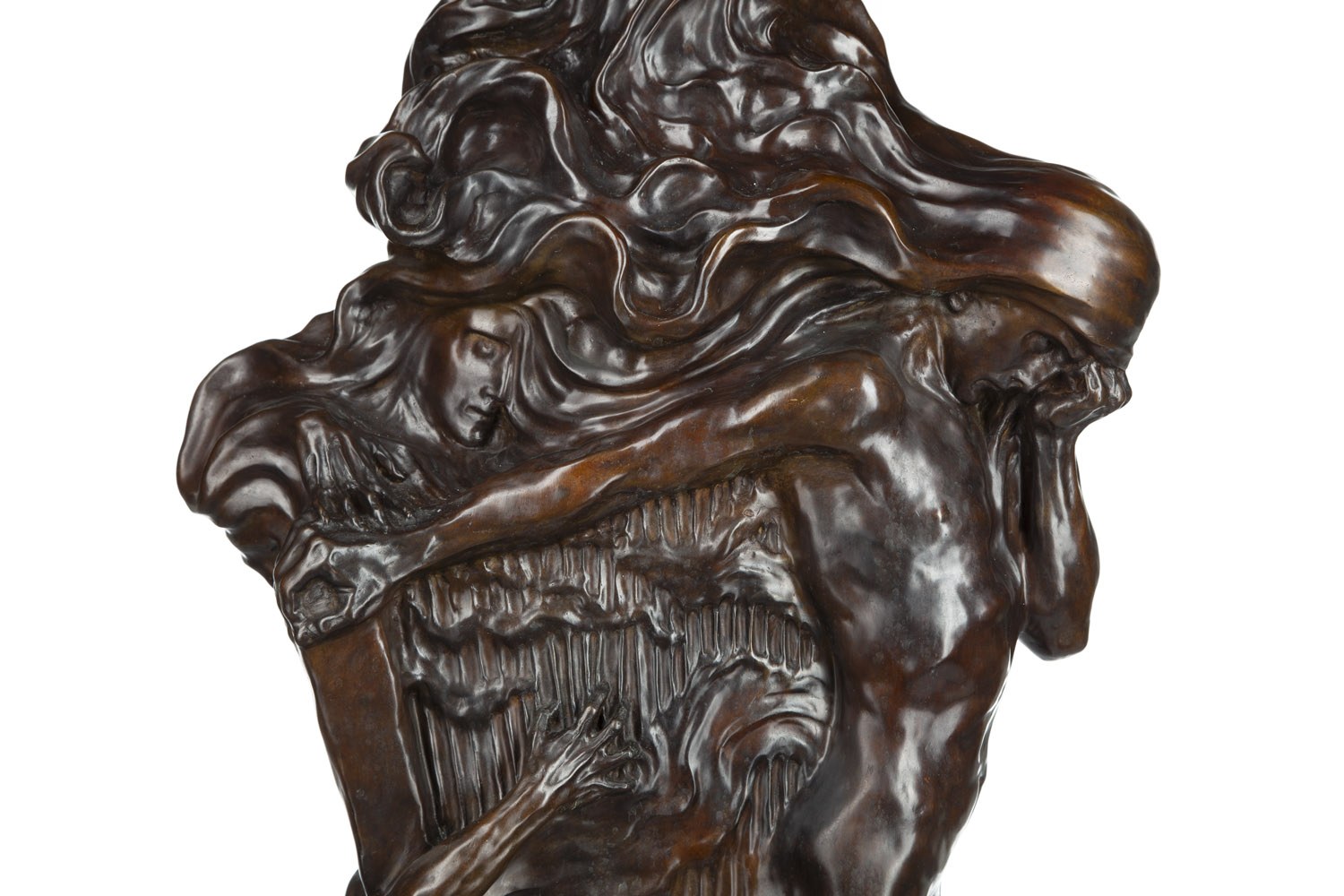
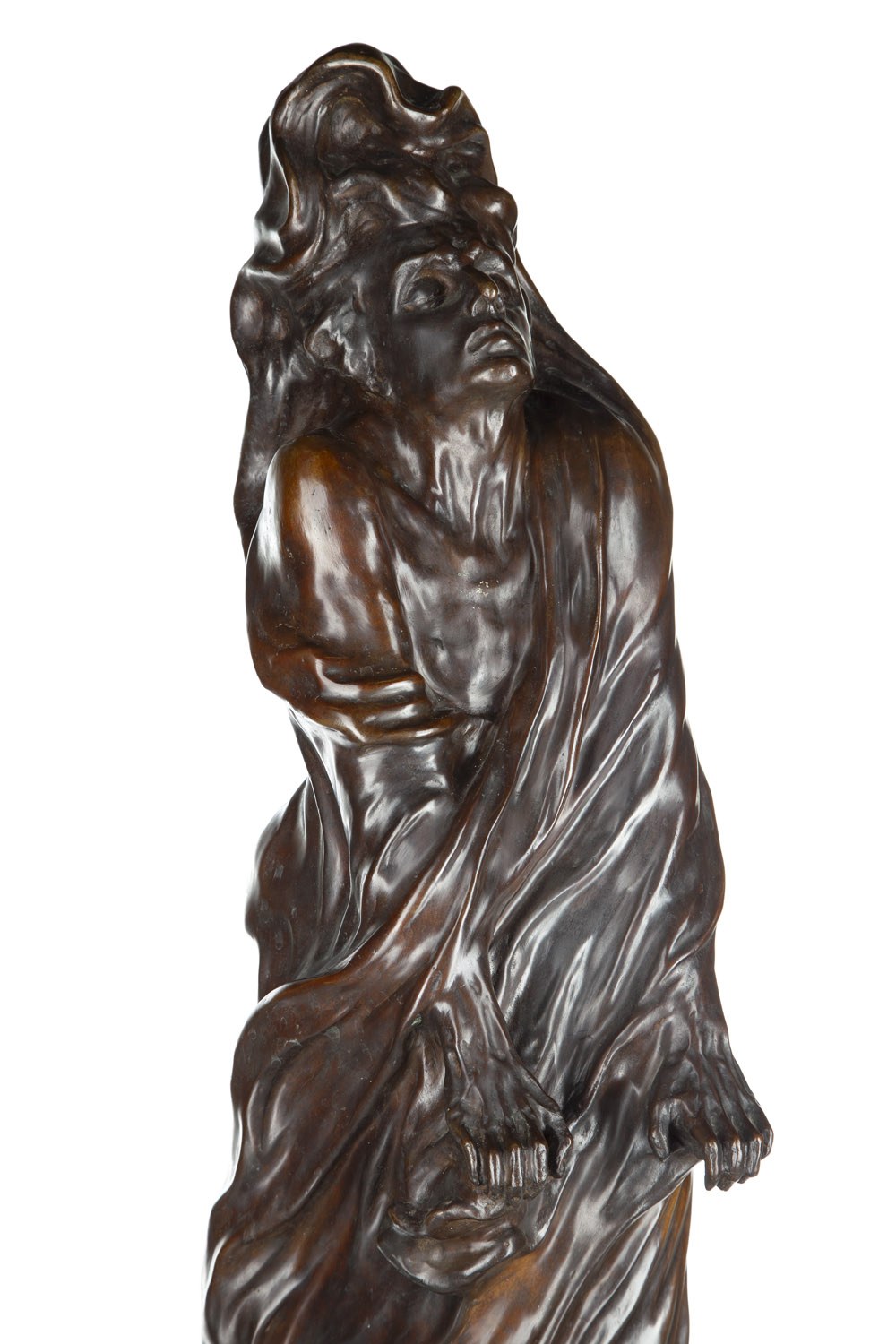
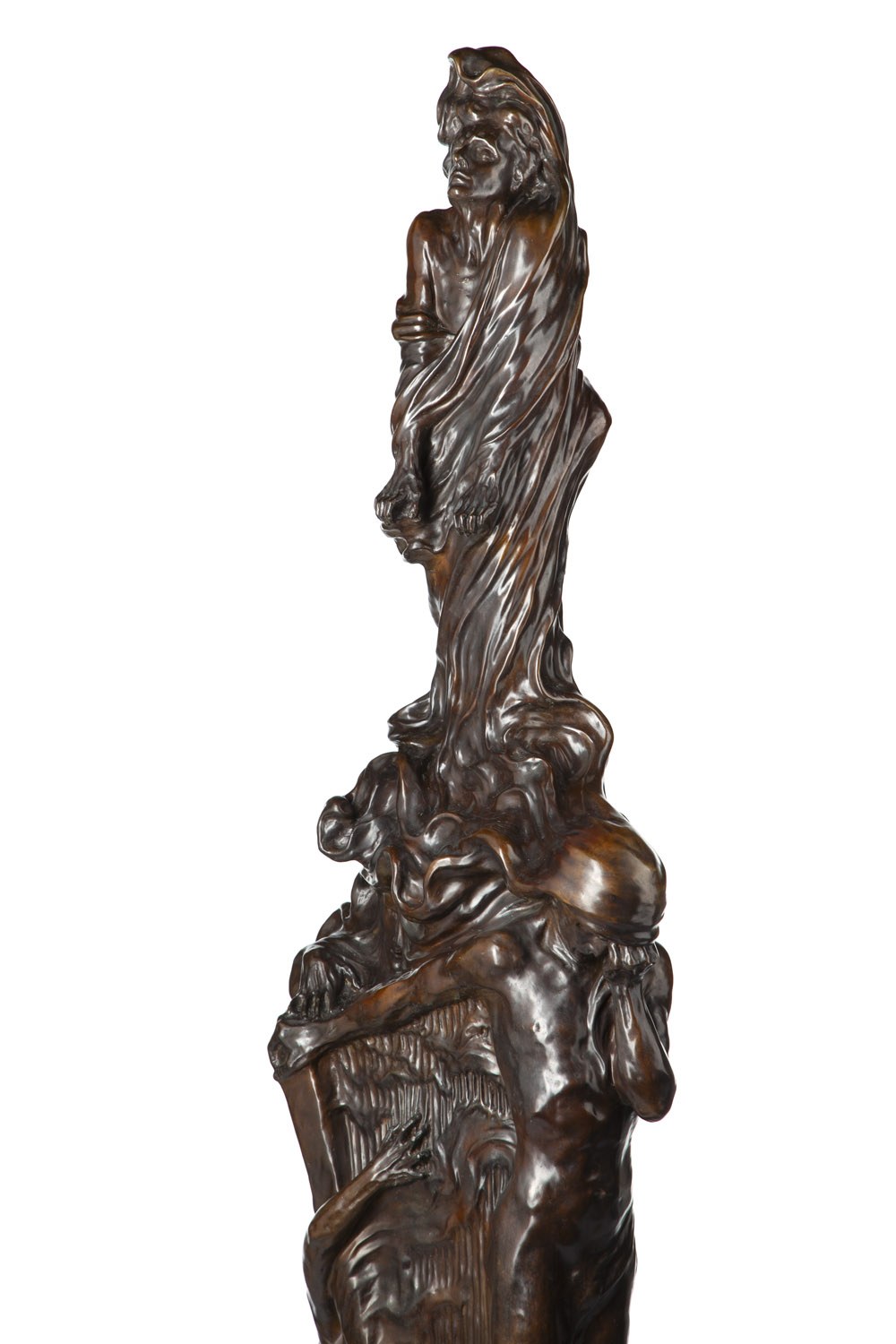
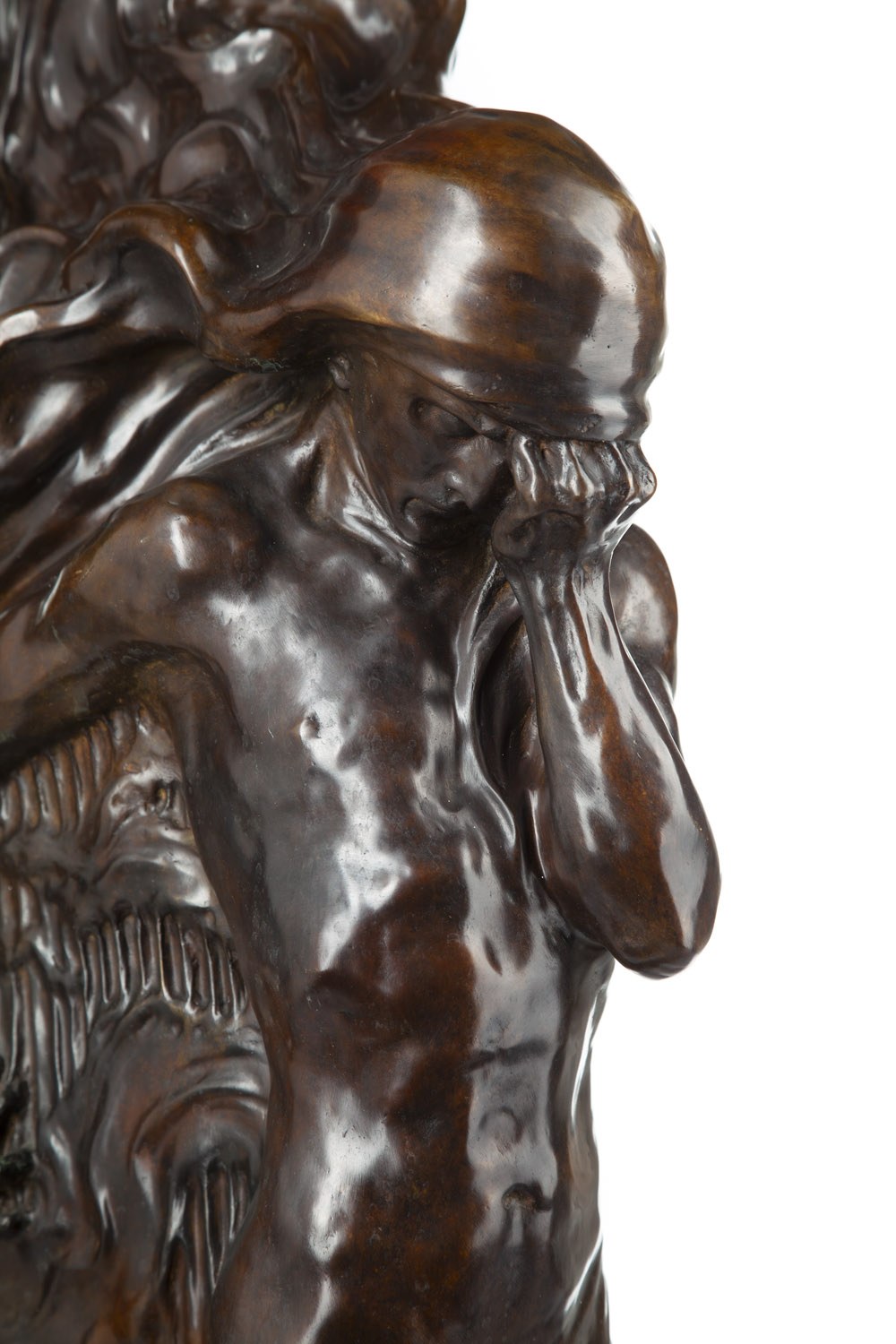
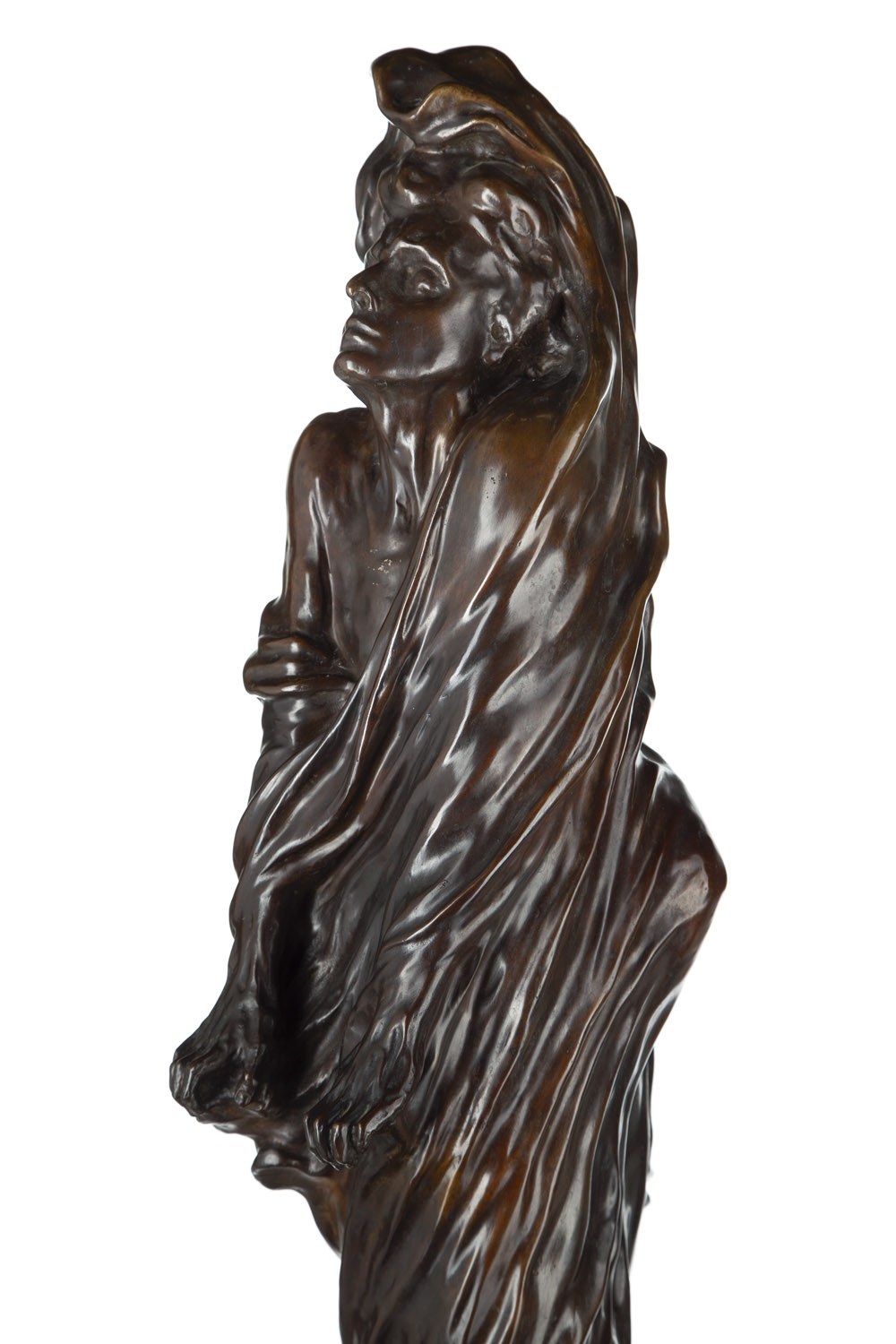
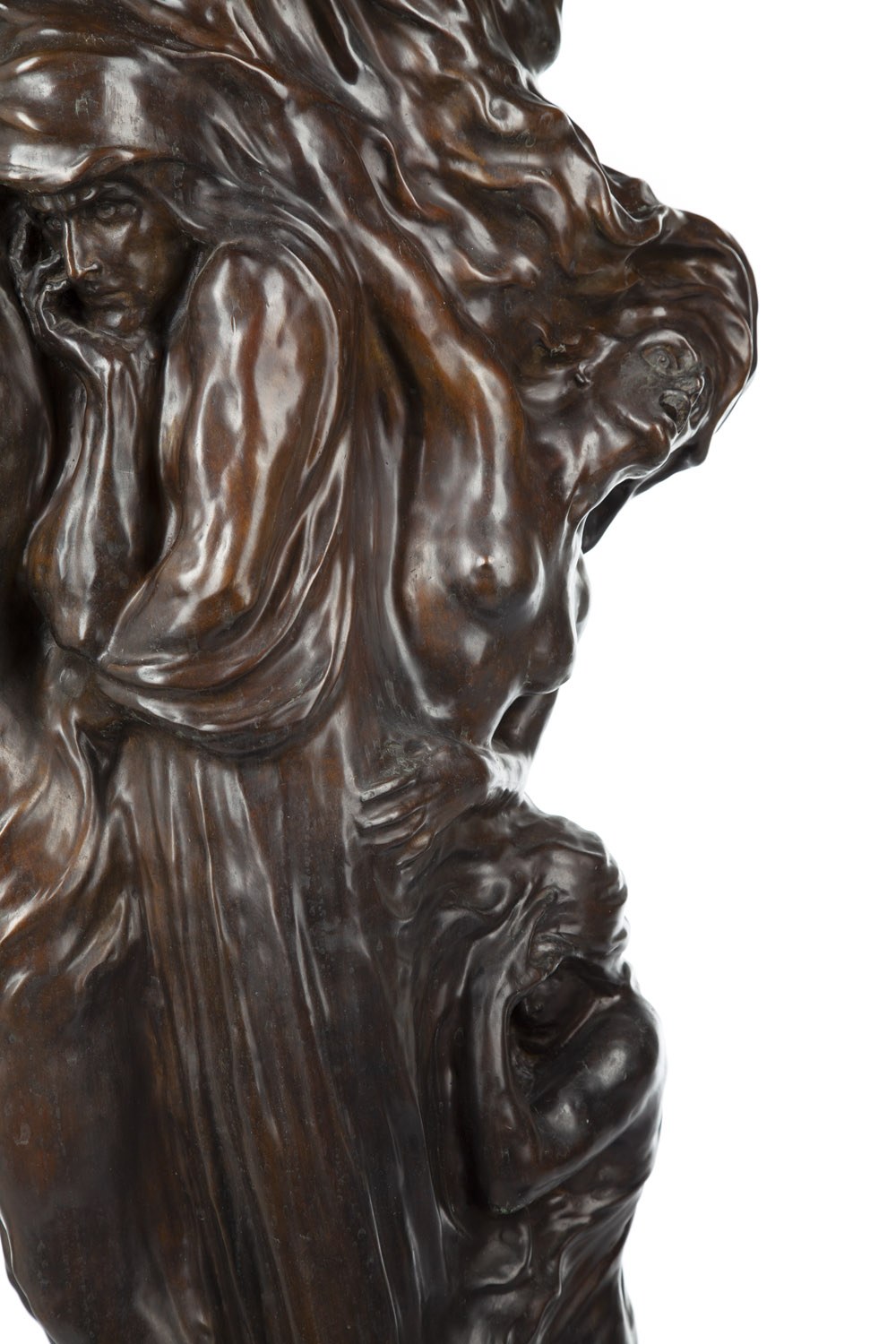
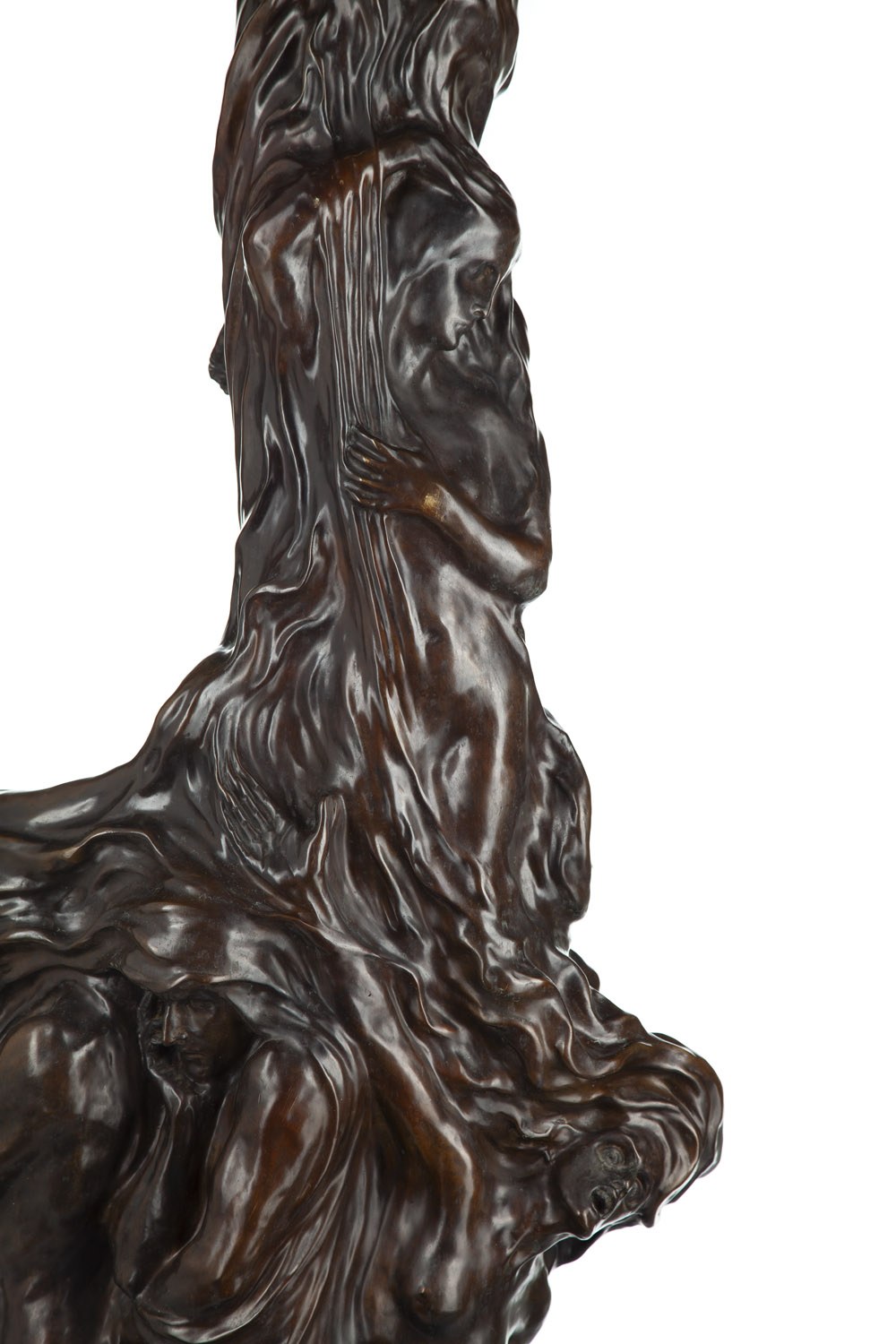
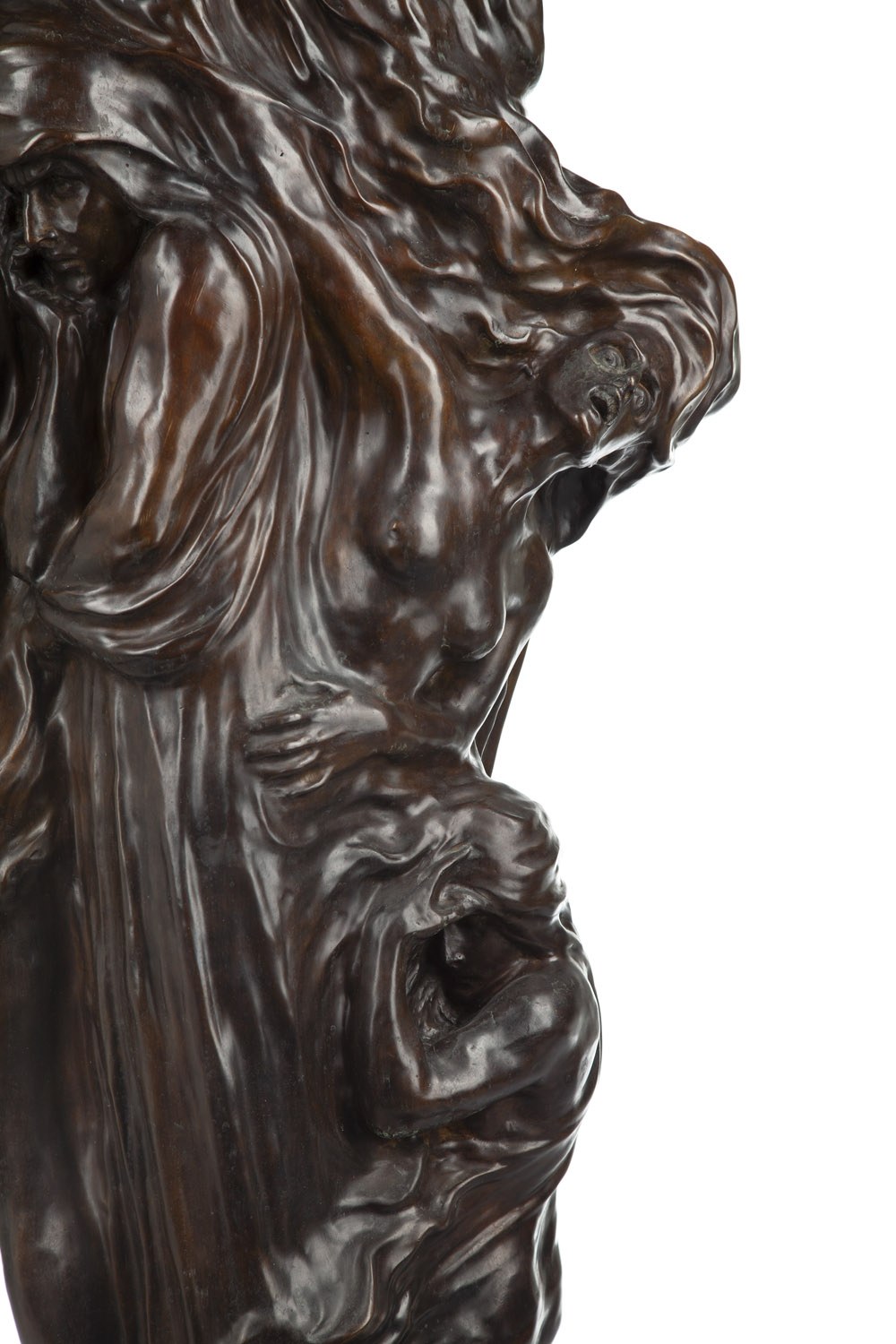
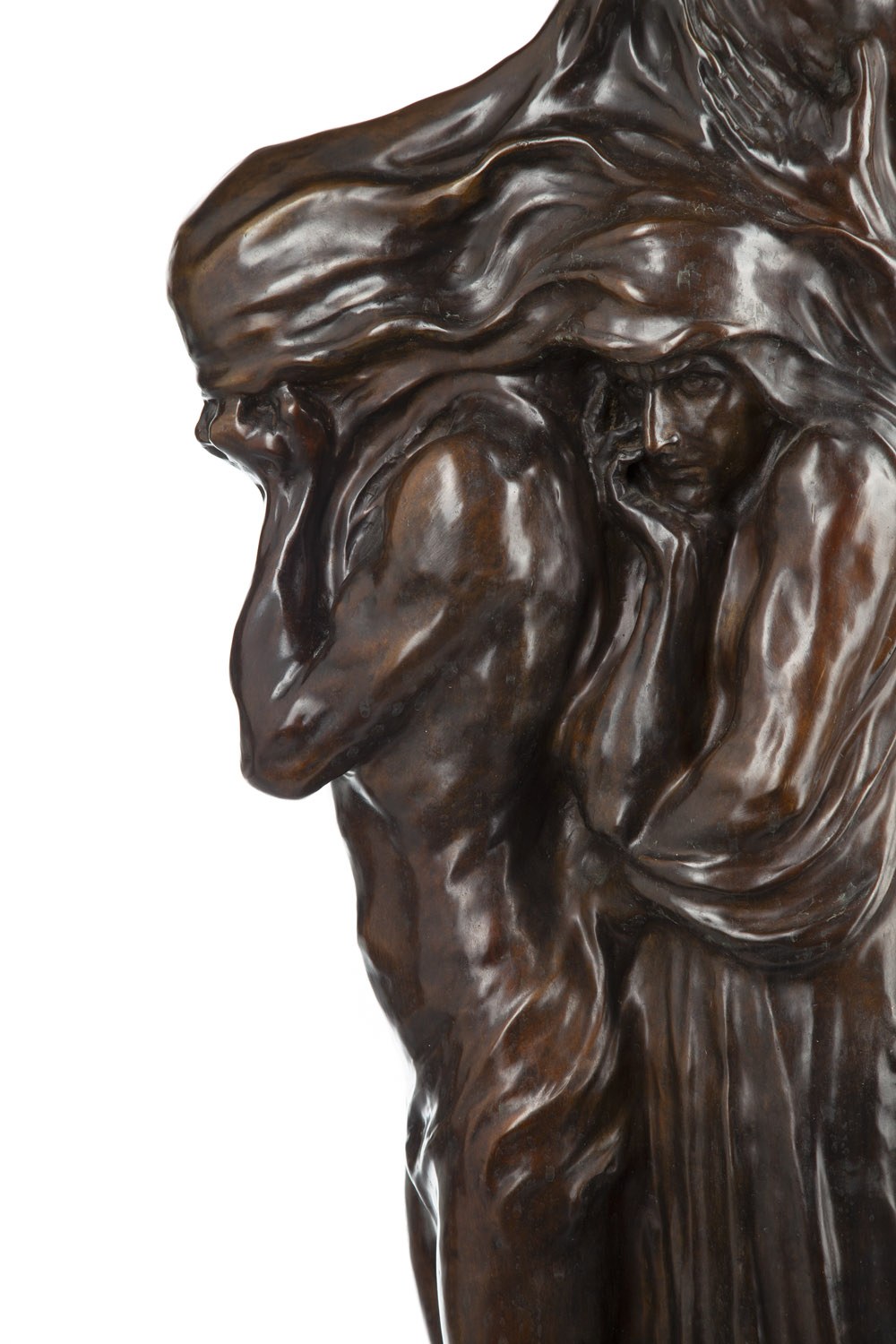
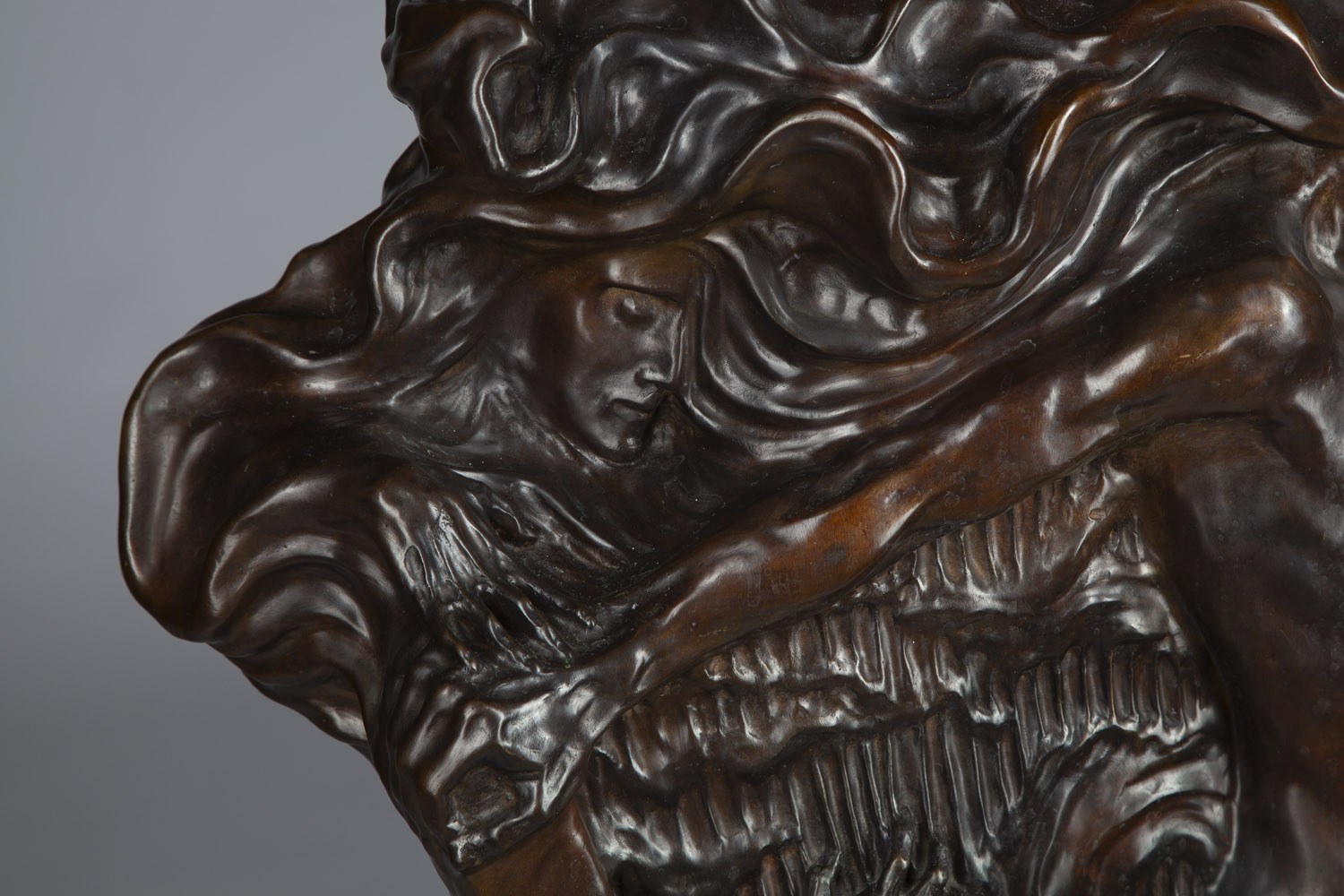
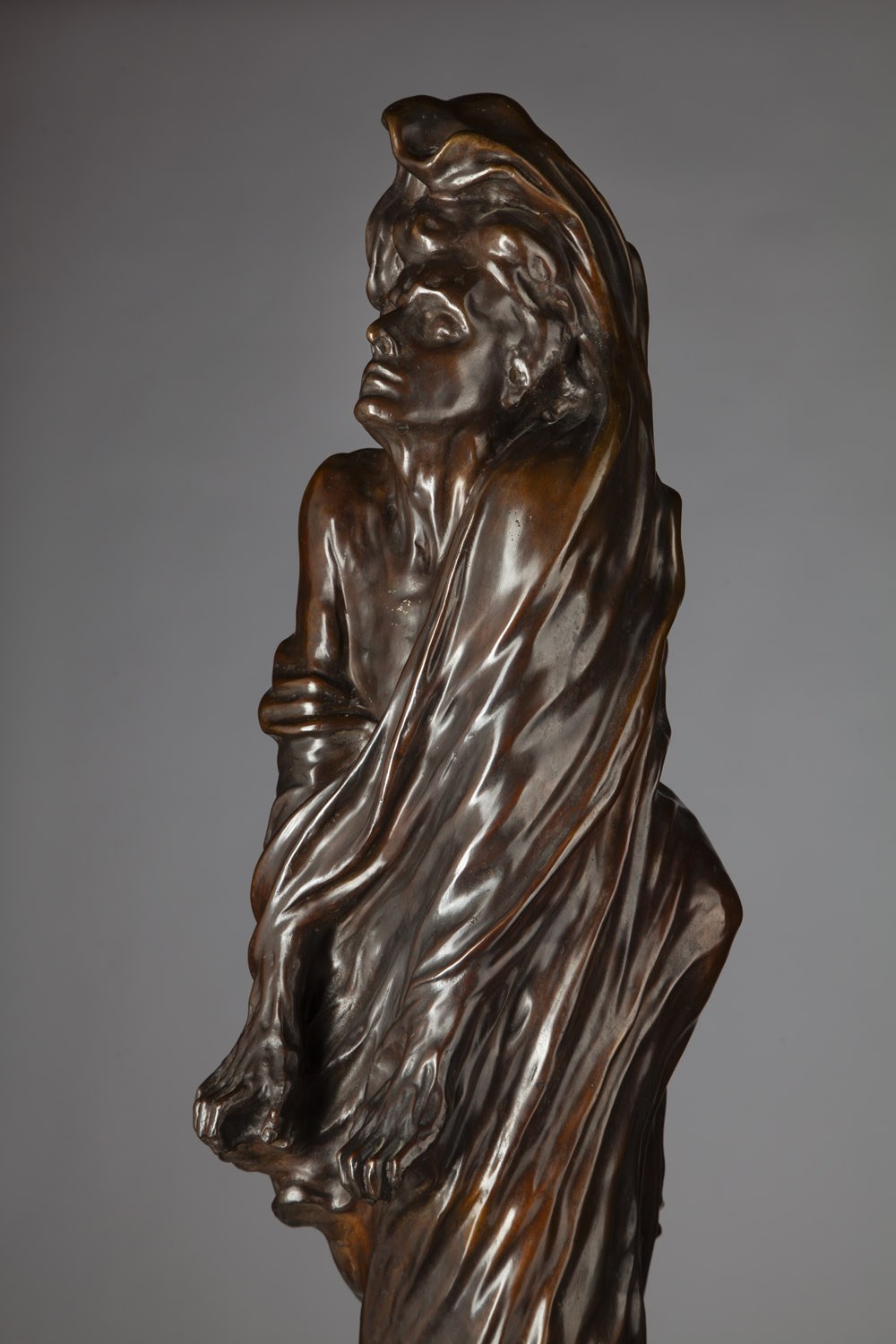
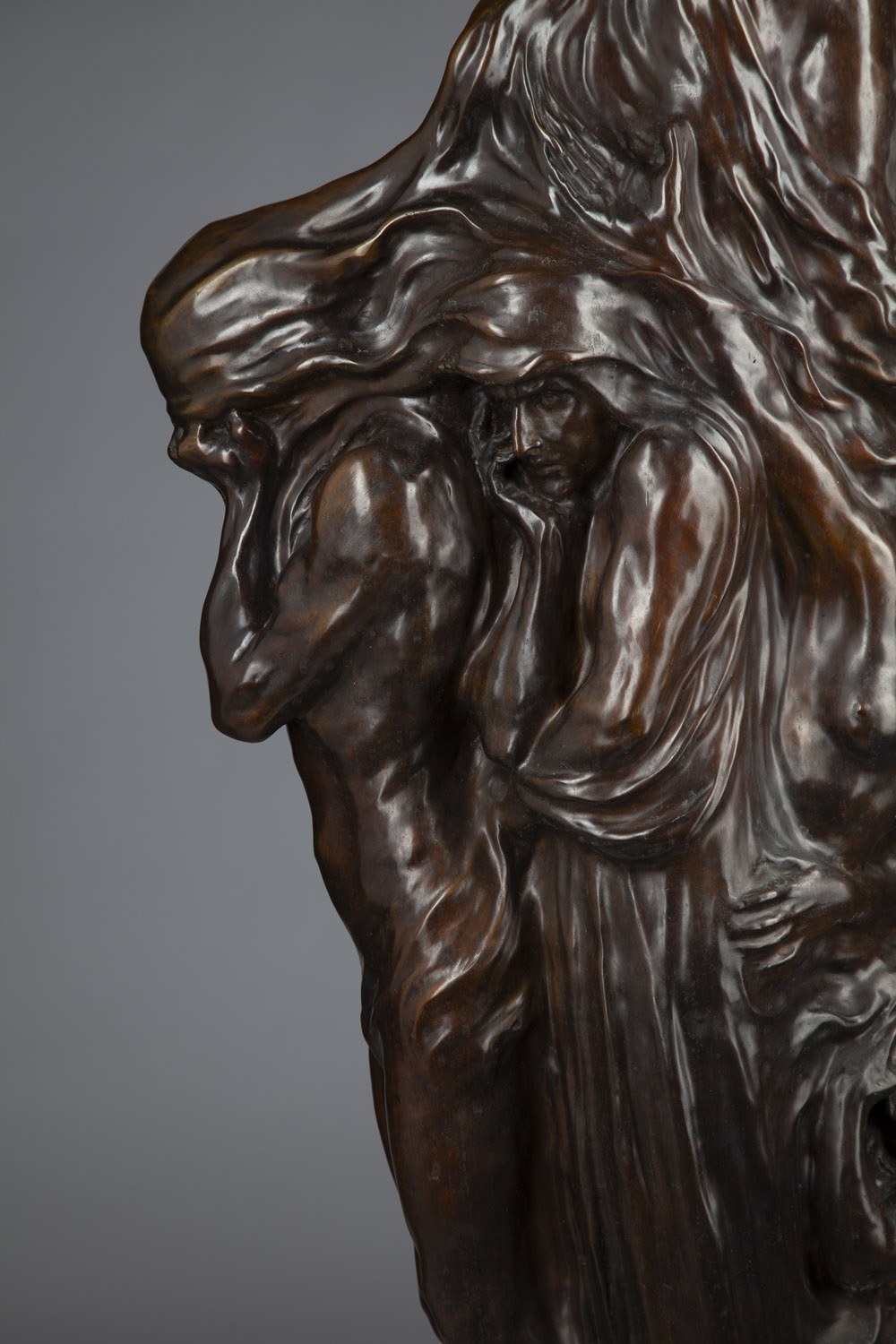
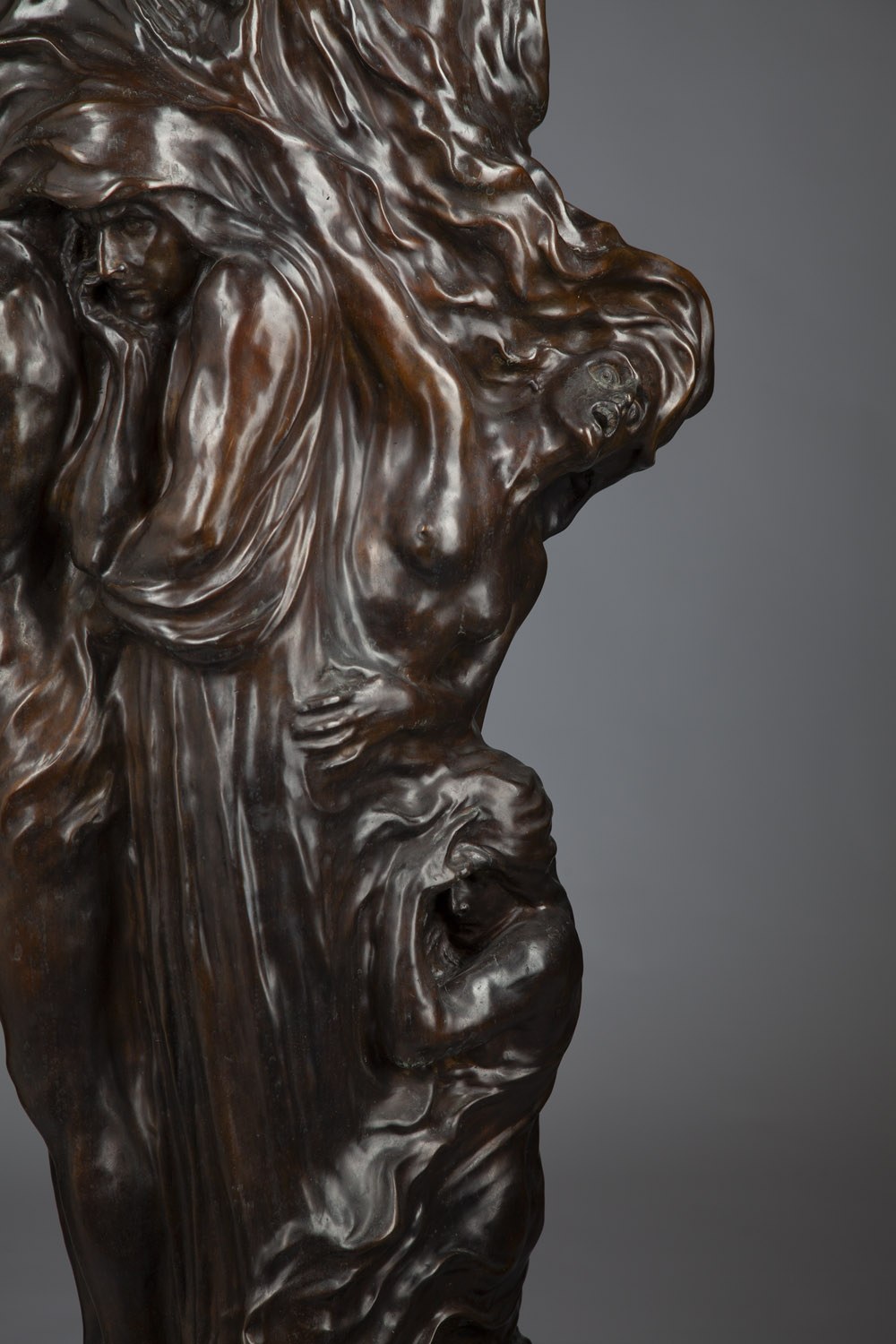
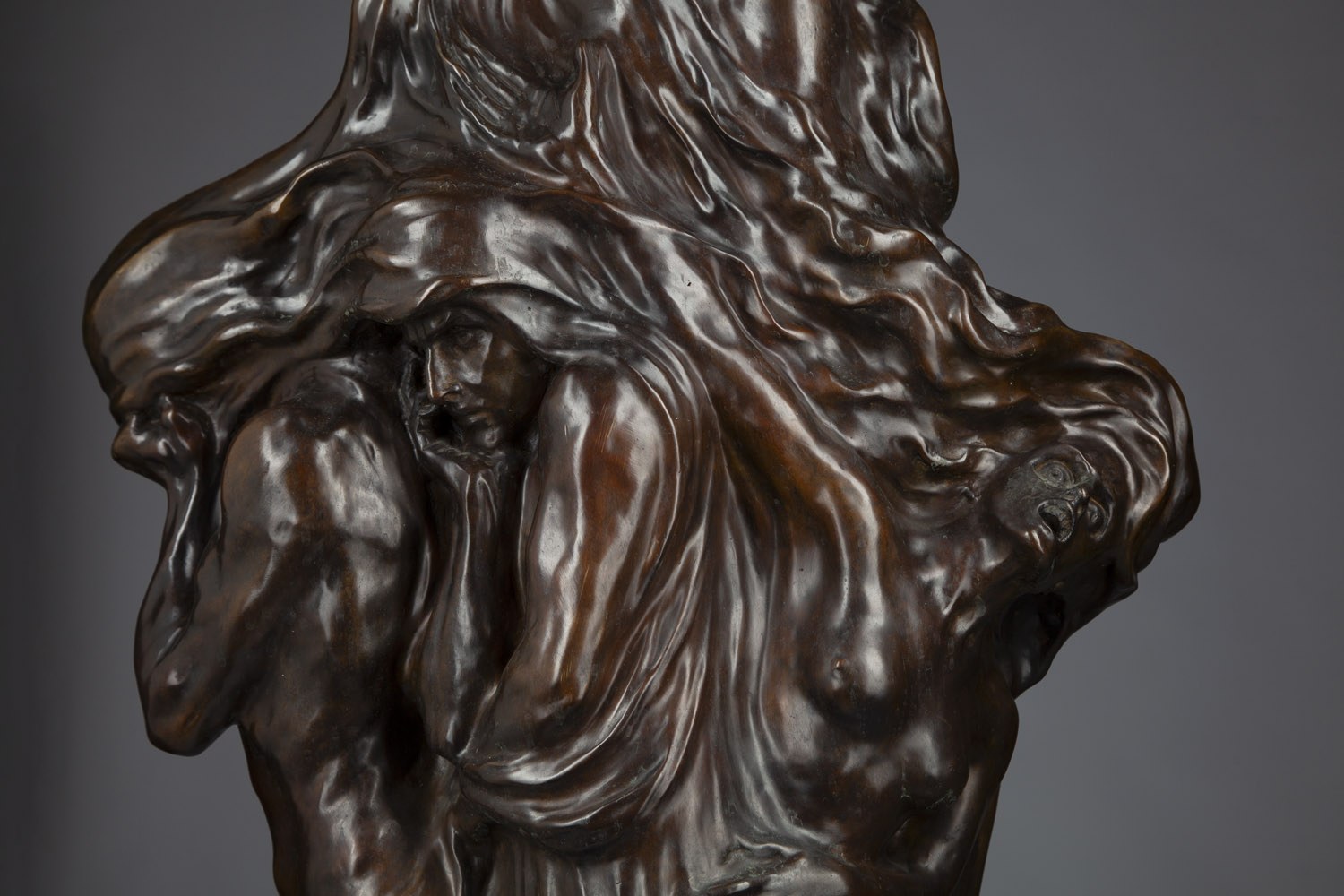
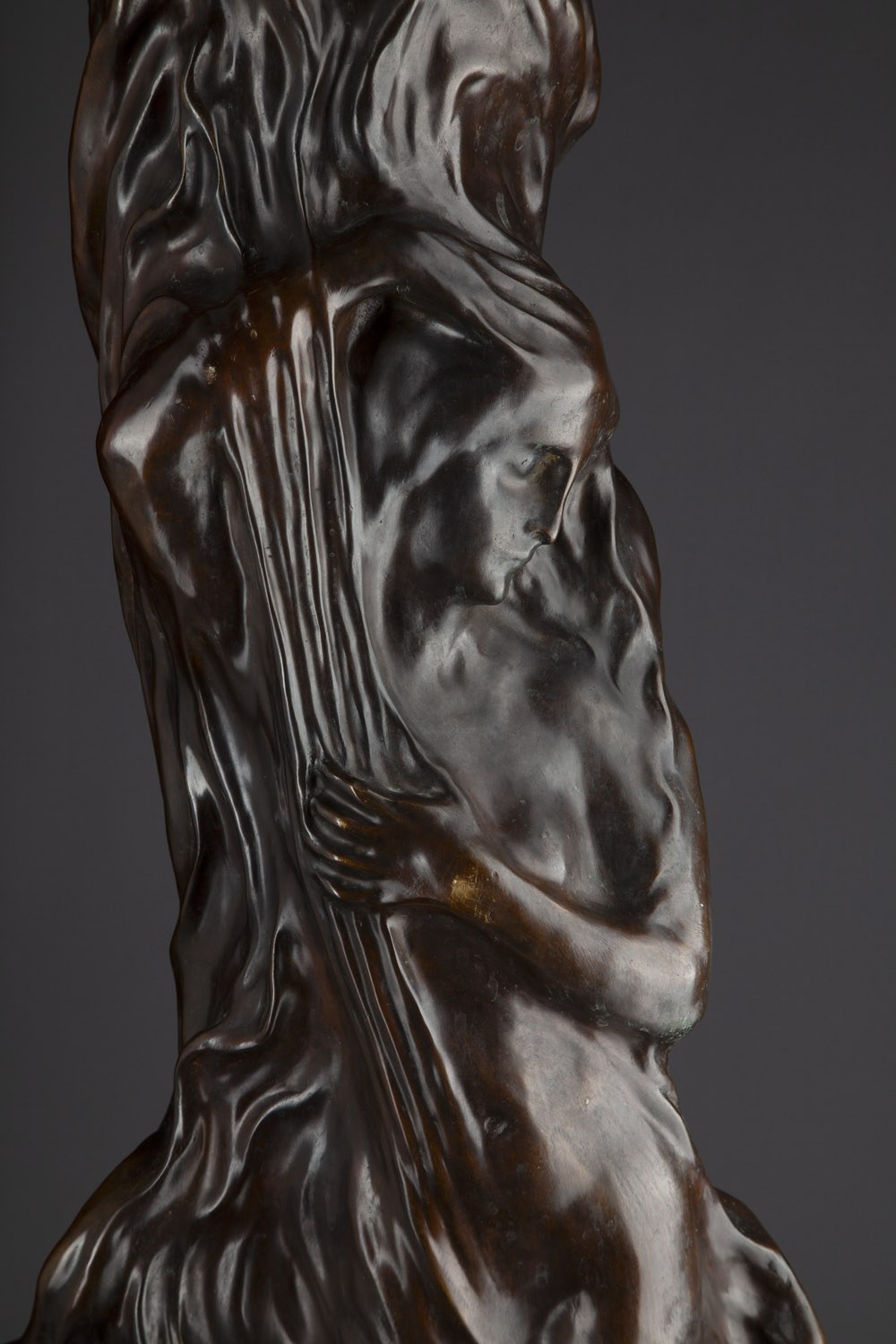
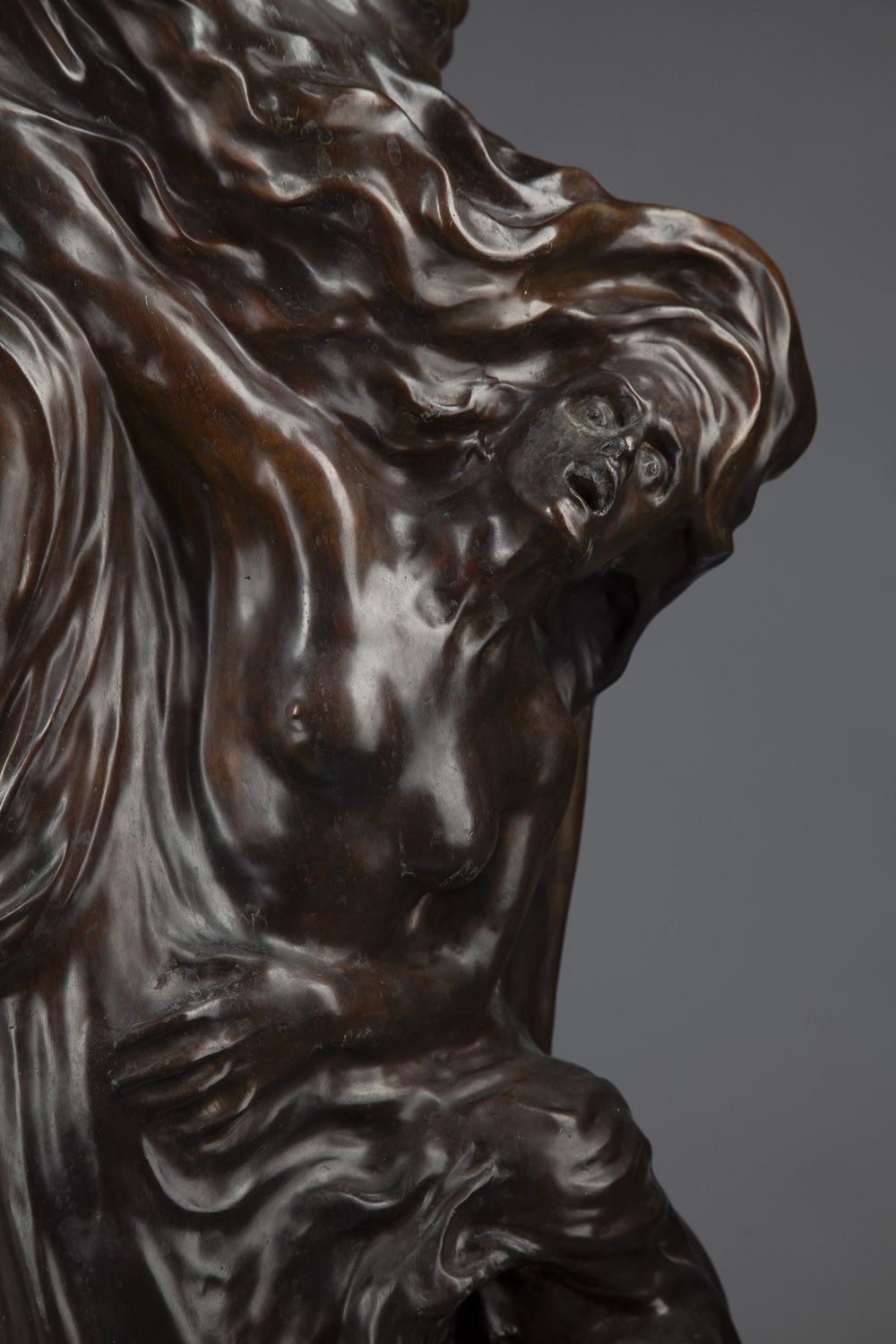
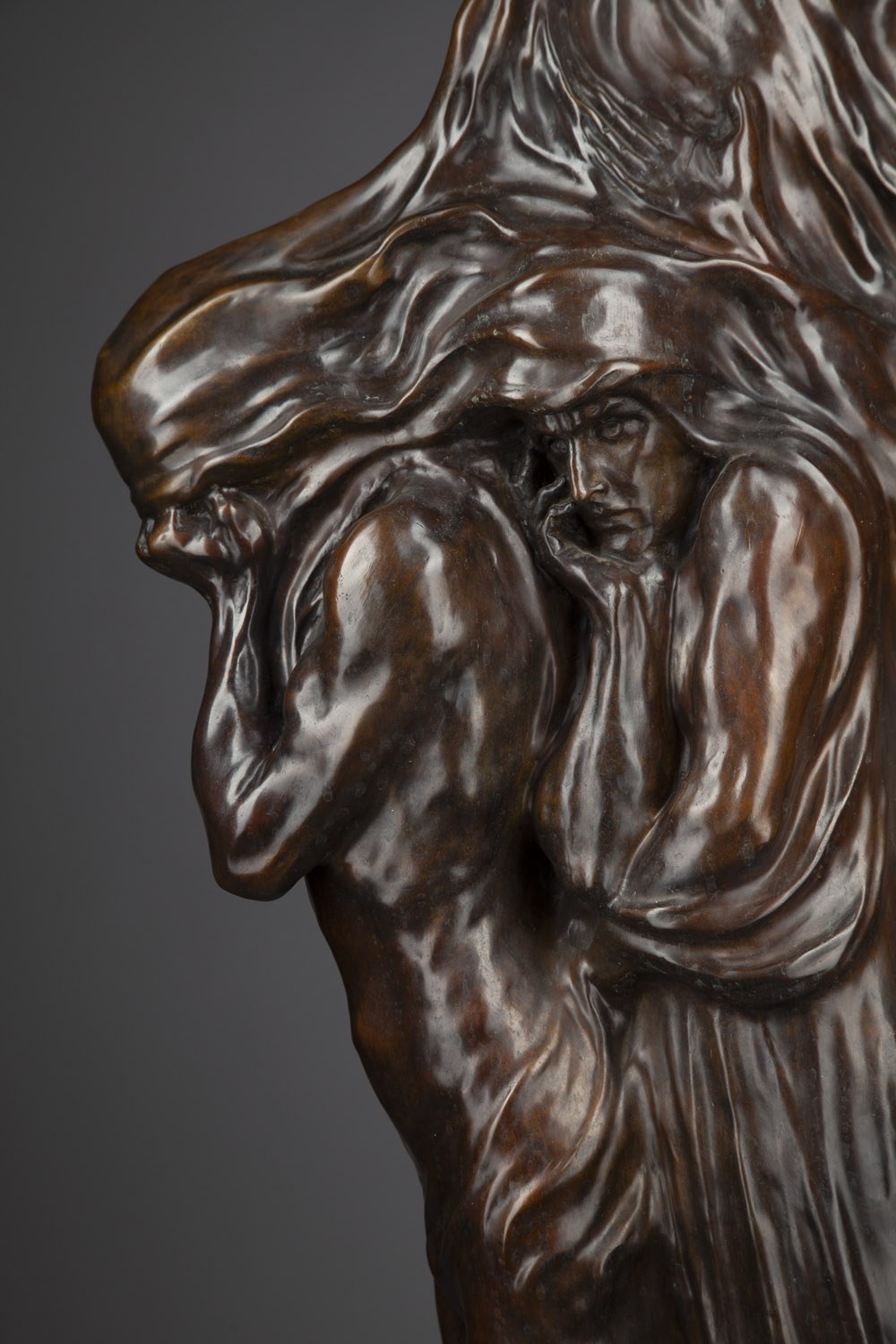
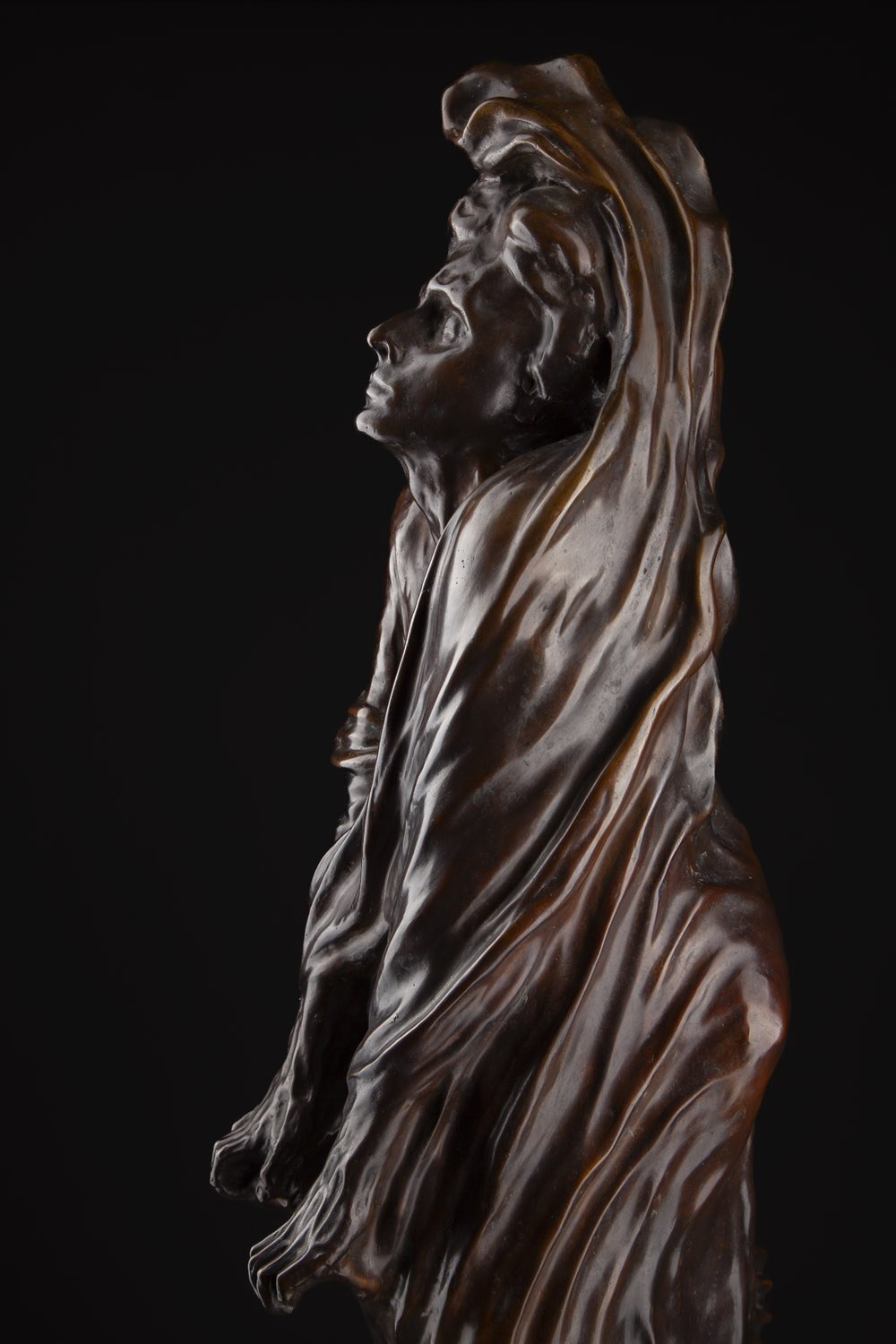
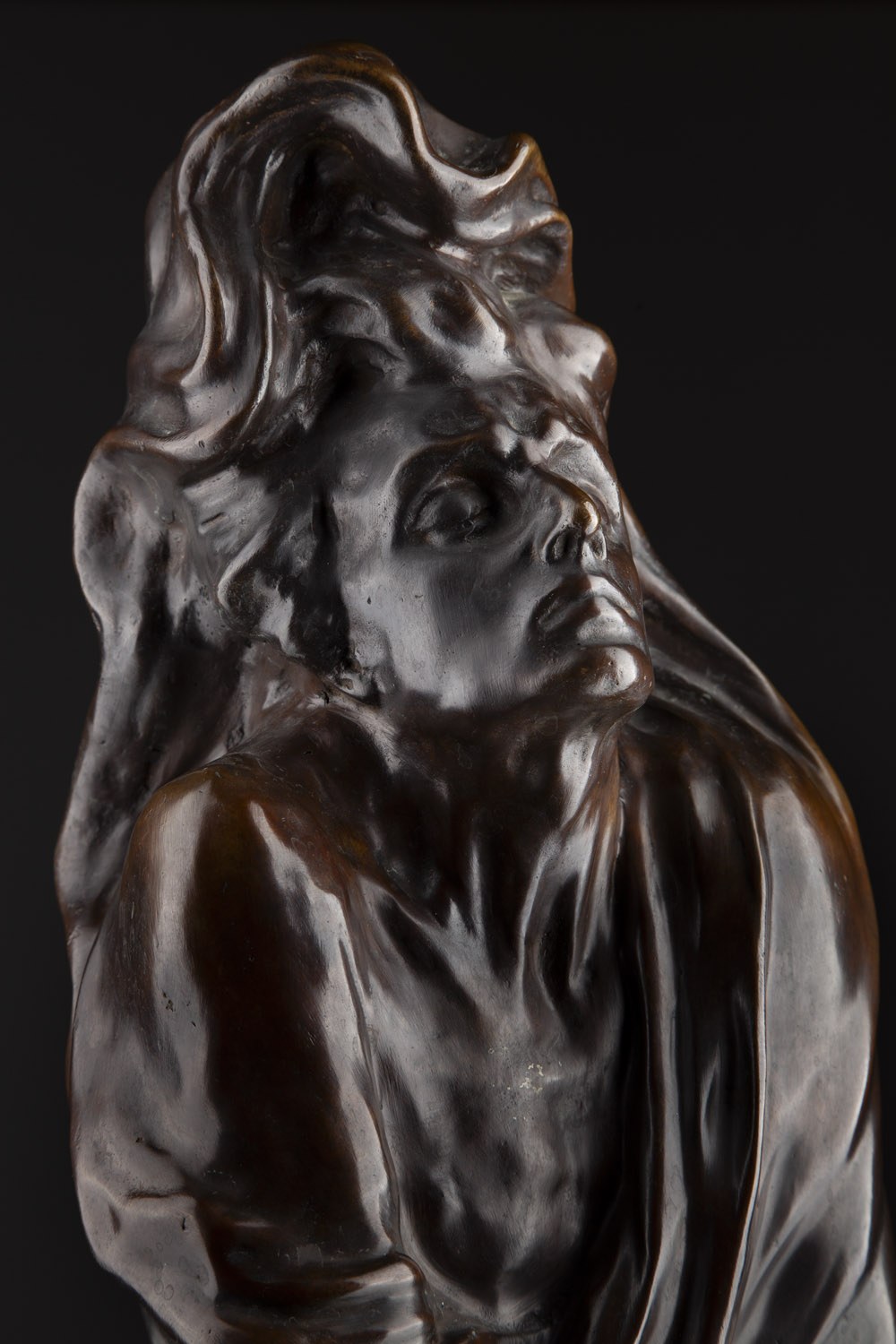
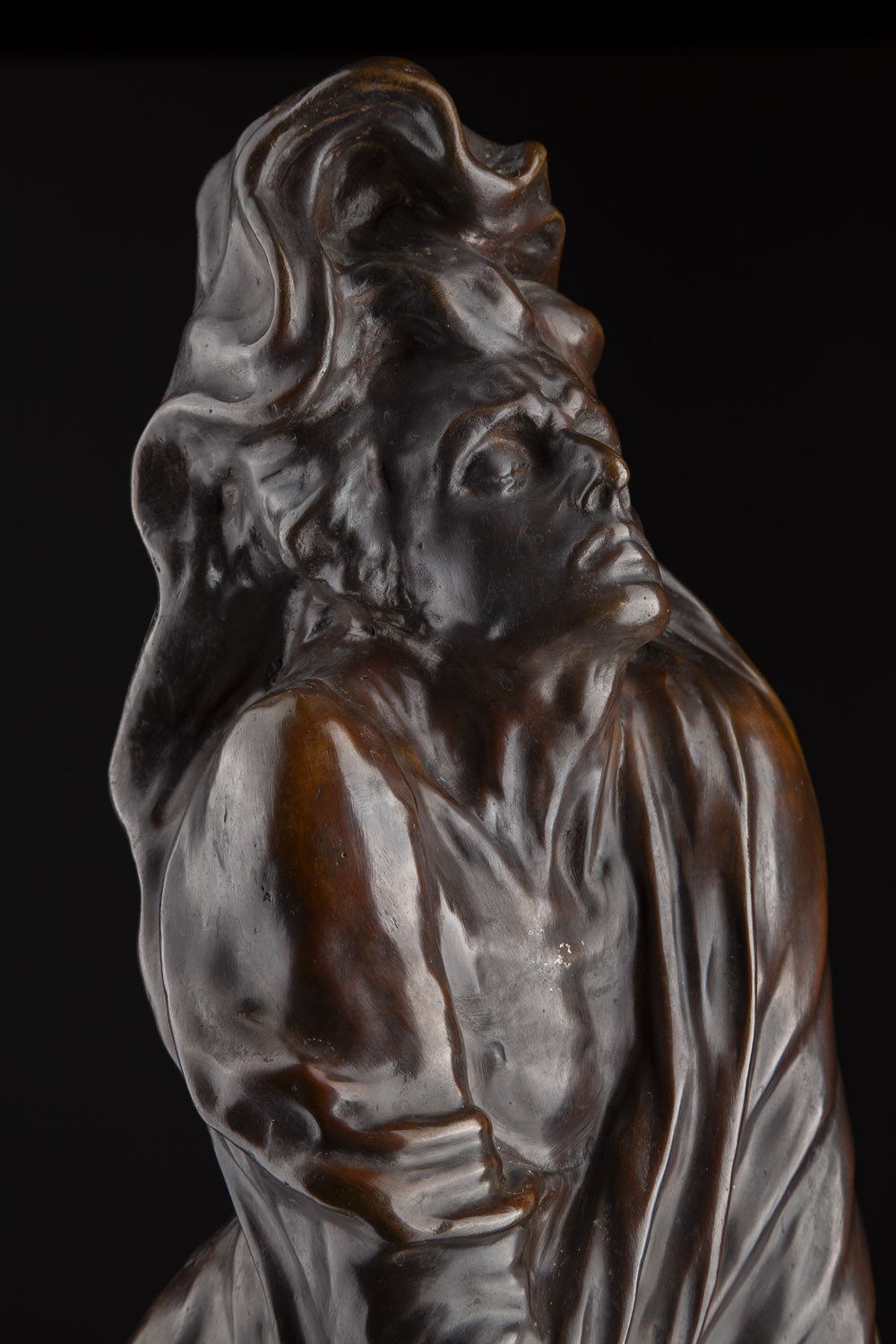
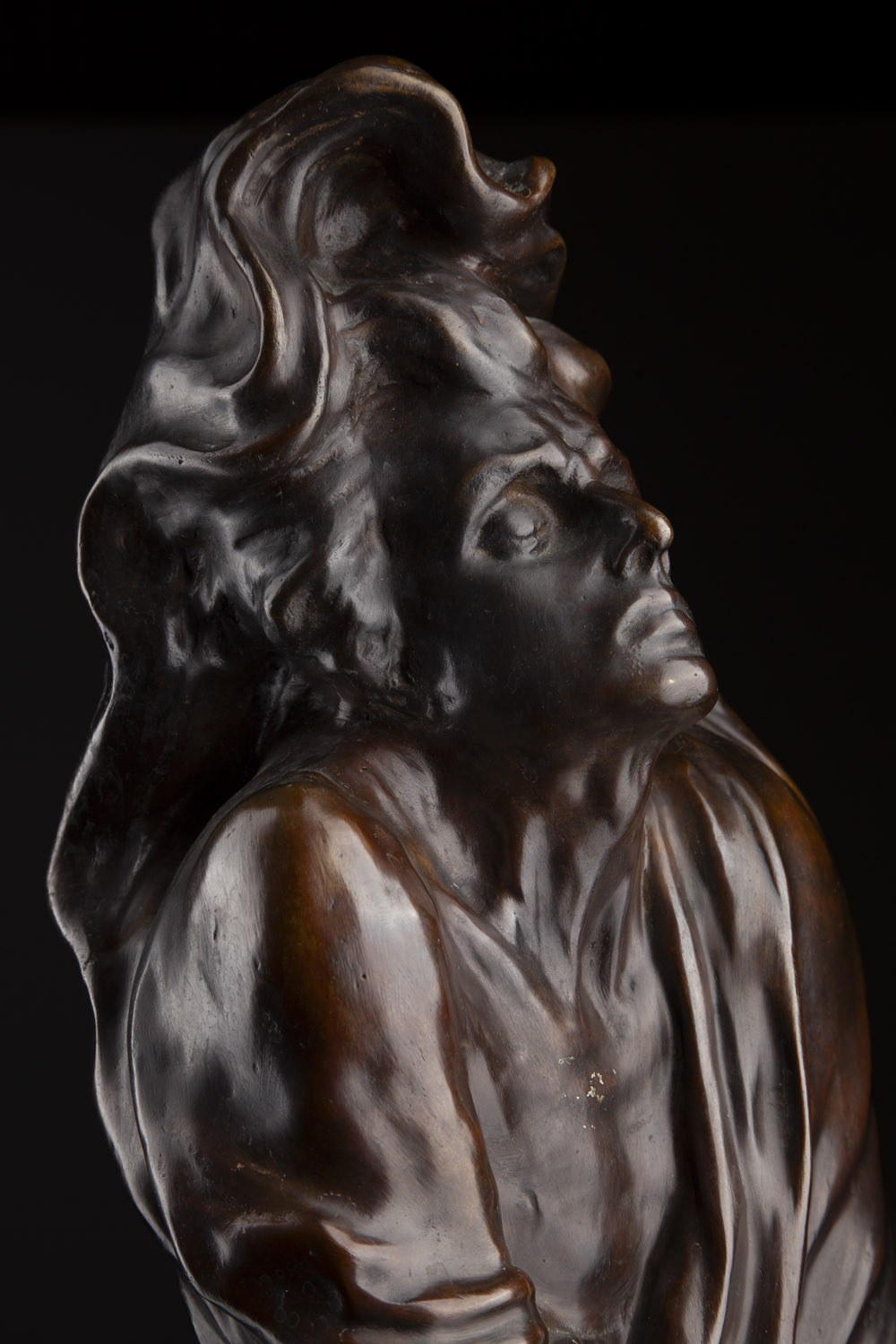
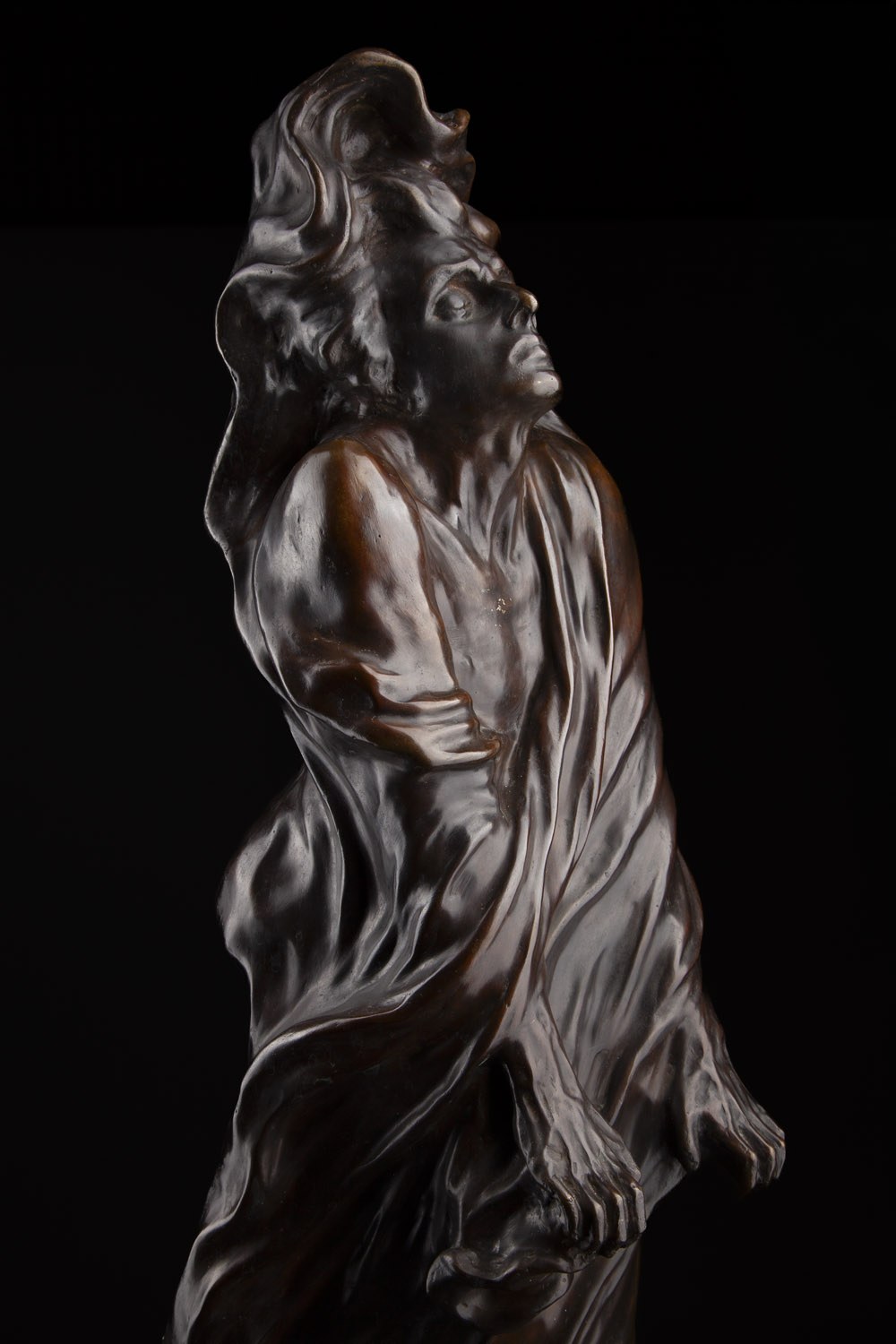
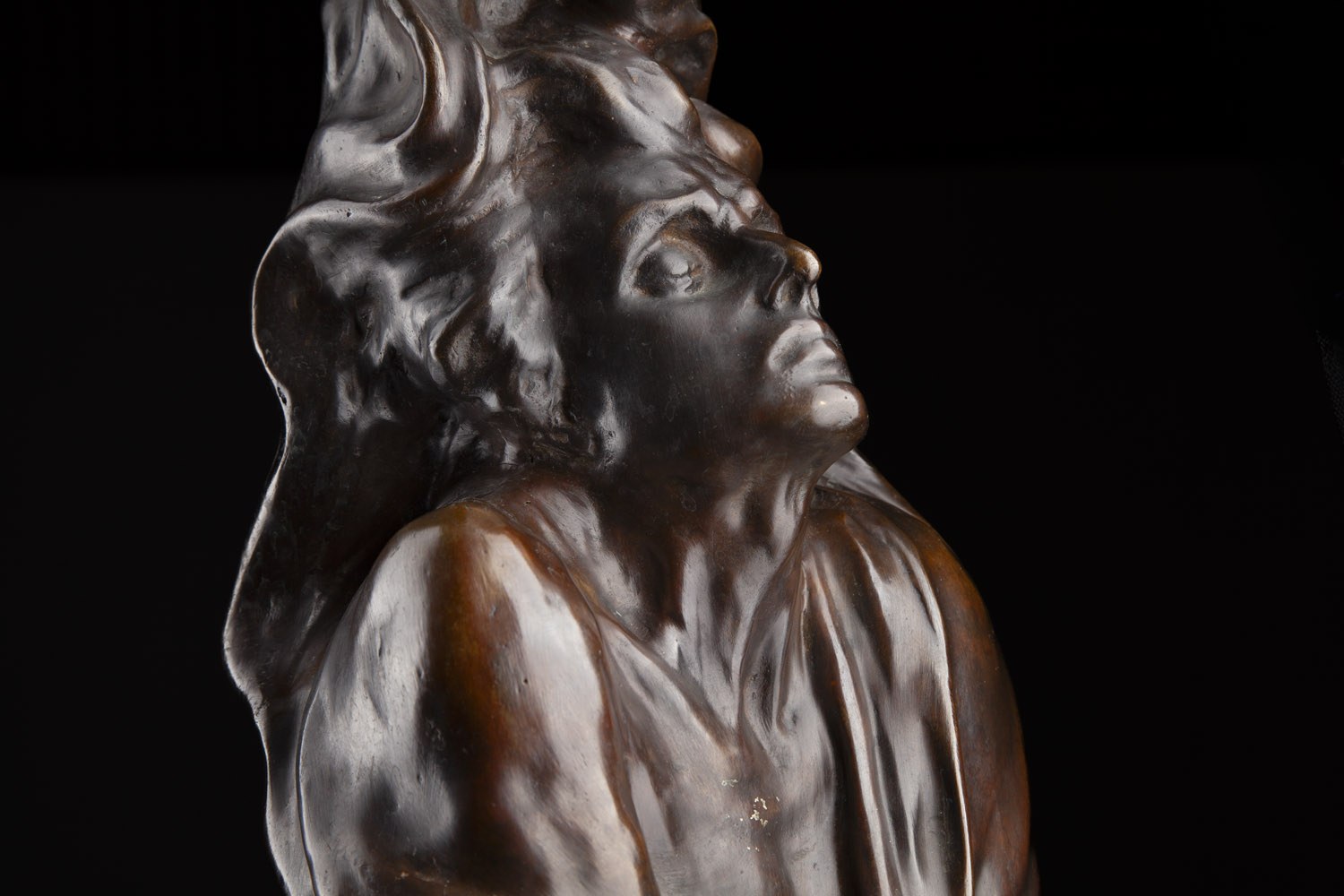


Dimensions: 185 x 56 x 34 cm
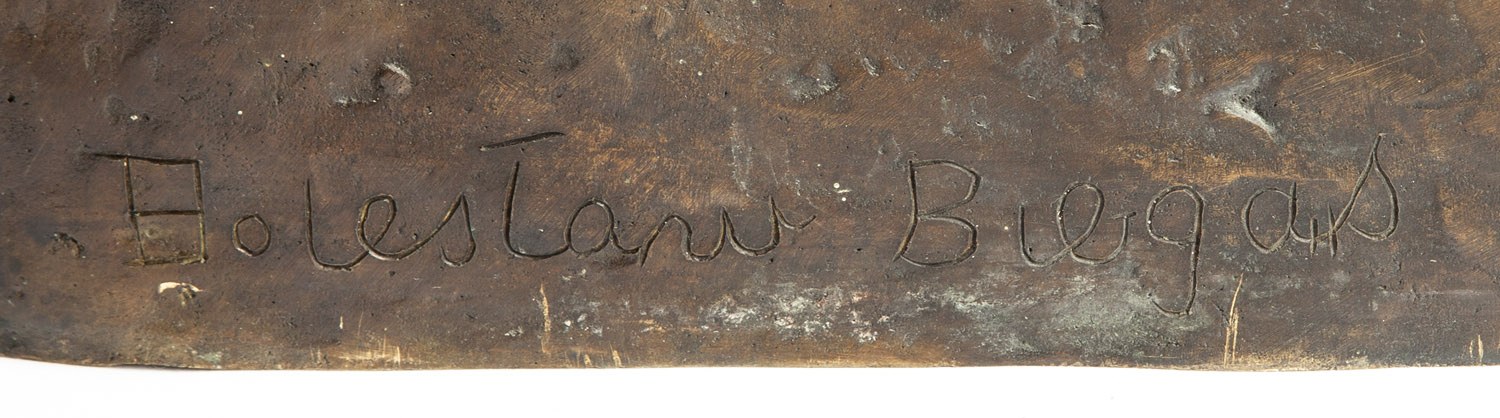
Signed, dated and numbered on the base: 'Bolesław Biegas | EA 1/4 BLANCHET FONDEUR 94'.
Origin
Galerie Matignon Fine Art- Paris
Chaville Enchères auction house, France, November 2022
private collection, Poland
Exhibited
L'École de Paris. Marek Roefler Collection, Musée de Montmartre, Paris, October 16, 2025 - February 15, 2026 (identical cast)
Exposition Frédéric Chopin, Trianon du parc de Bagatelle, Paris, March 30-May 12, 1983 (identical cast)
L'esprit romantique dans l'art polonais XIXe-XXe siècles, Grand Palais, Paris, March-June 1977 (identical cast)
Exposition Biegas, Théâtre Fémina, June 24-July 5, 1912 (identical cast)
Exhibition of competition designs for the Chopin monument, Society for the Encouragement of Fine Arts in Warsaw, Warsaw, 1909 (identical cast)
Exposition Biegas, Galerie des Artes Modernes, Paris, March 23-April 4, 1908 (identical cast)
Literature
compare:
Boleslaw Biegas. Unequal Worlds, exhibition catalog, edited by Paweł Drabarczyk vel Grabarczyk, Maria Muszkowska, Villa Le Fleur, Warsaw 2025, p. 136 (ill.), cat. no. 43
Anna Maja Misiak, Bolesław Biegas (1877-1954): sculptural works, [in:] Rocznik Muzeum Mazowieckiego w Płocku, vol. 17, Płock 2001, p. 51 (il.).
Boleslas Biegas. Sculptures - Peintures, exhibition catalog, ed. Xavier Deryng, Trianon de Bagatelle, Paris 1992, p. 87 (ill.), cat. no. 20
Xavier Deryng, La réception de Chopin dans les arts plastiques: les interprétations de Boleslas Biegas, [in:] Sur les traces de Frédéric Chopin, Paris 1984, p. 178 (ill.).
Bolesław Bielawski, Twórczość rzeźbiarska Bolesława Biegas do 1914 r., [in:] Sztuka około 1900, Warsaw 1969, p. 263 (il.)
Henryk Biegeleisen, Biegas, Culture and Art Publishing House, Lviv 1911, p. nlb, ill. 29, 31
Carlo Waldemar-Colucci, Cronache d'Arte. Boleslas Biegas, [in:] Vita d' Arte, vol. V, no. 29, Sienna 1910, p. 197 (il.)
Biography
One of the most prominent modernist Polish painters and sculptors. Studied sculpture in 1896-1901 at the Academy of Fine Arts in Cracow under Alfred Daun and Konstanty Laszczka. In 1901 he was expelled from the academy for his sculpture "The Book of Life," which was shown in an atmosphere of scandal. Thanks to a scholarship from the Warsaw Society for the Encouragement of Fine Arts, he left for Paris, where he remained for the rest of his life, with intermittent trips to the country. He exhibited in Vienna, where he was a member of the Secession there. He showed his works in St. Petersburg (1903), Kyiv, as well as Rome and Amsterdam. Influenced by the philosophy of Stanislaw Przybyszewski, he created allegorical-symbolic sculptures and paintings reflecting the drama of human existence. He is the creator of the author's painting concept called spherism.