


Icons, or images of men distinguished in letters, whose faith and teachings—in religion and the liberal arts—
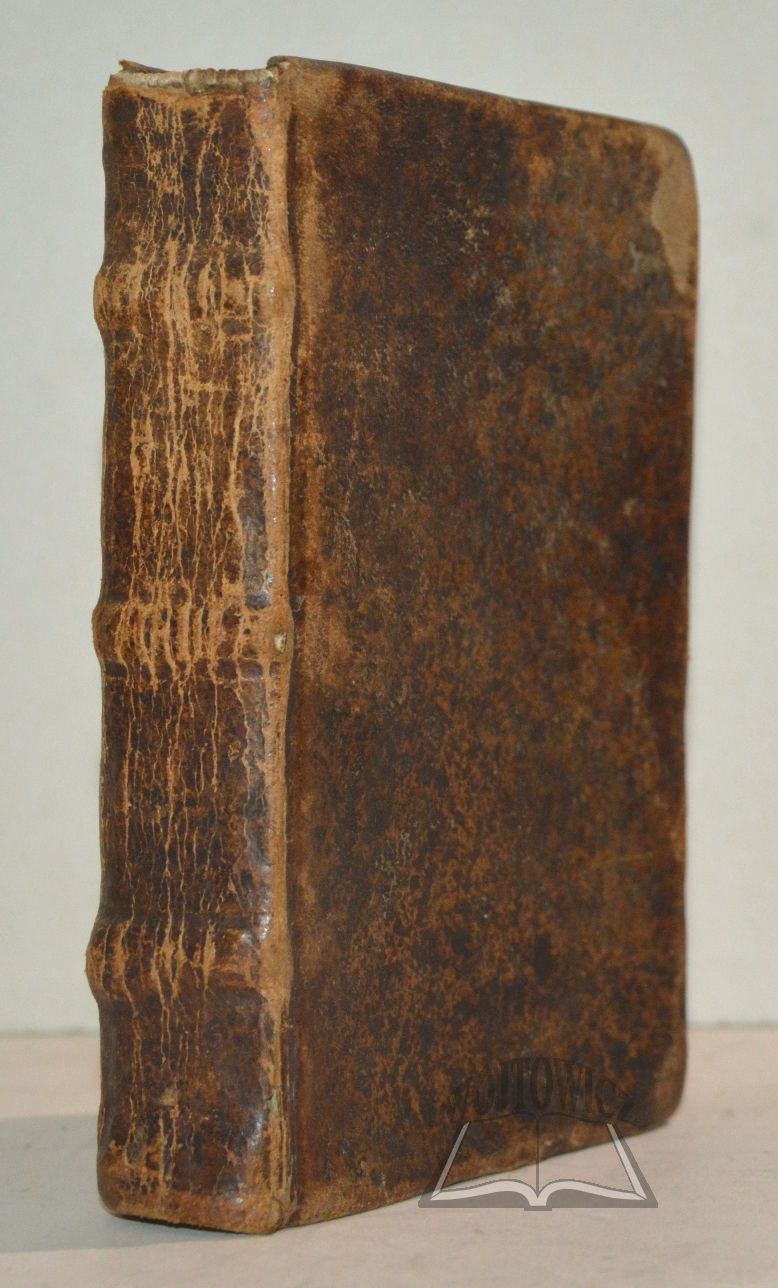
have been fully restored to our memory and that of our forefathers, especially in Germany. With the addition of eulogies of these men by various authors. Reviewed by Nicolao Reusnero Ic. Edited by Bernardo Jobino. By Imperial Privilege. Argentorati M.D.XIII.C. (Strasbourg 1587. Edited by Bernhard Jobin). (15.5 x 10 cm), p. [195], ca. 100 woodcut portraits, in a contemporary leather binding .
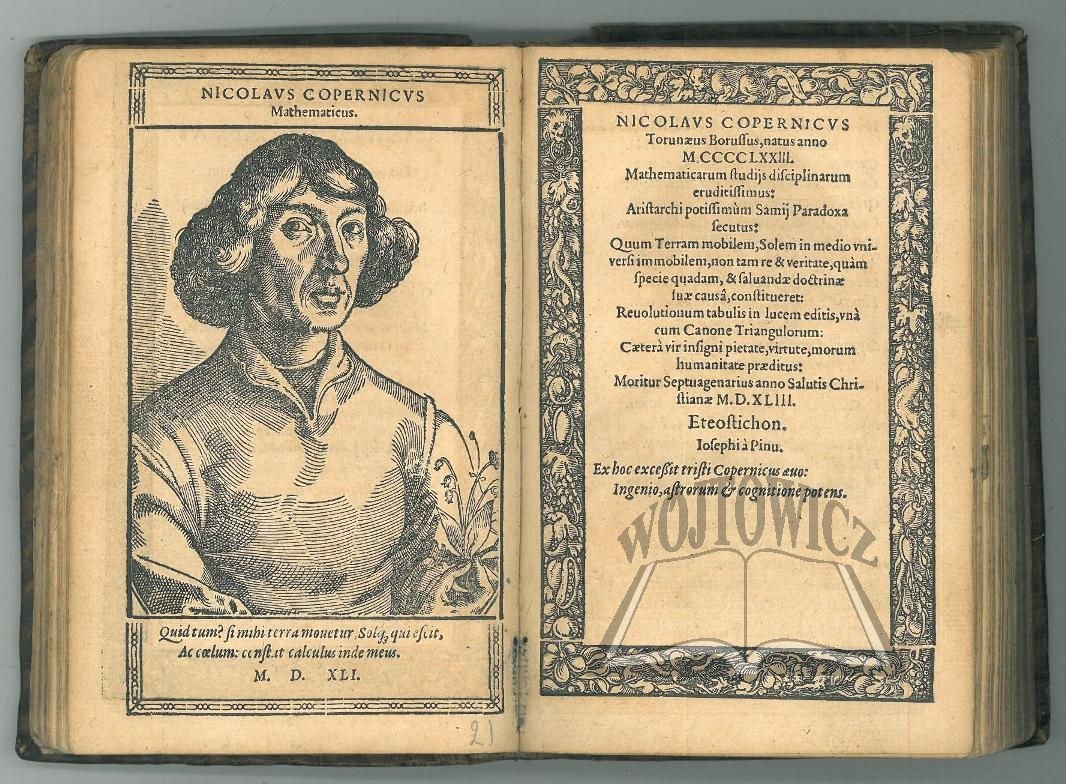
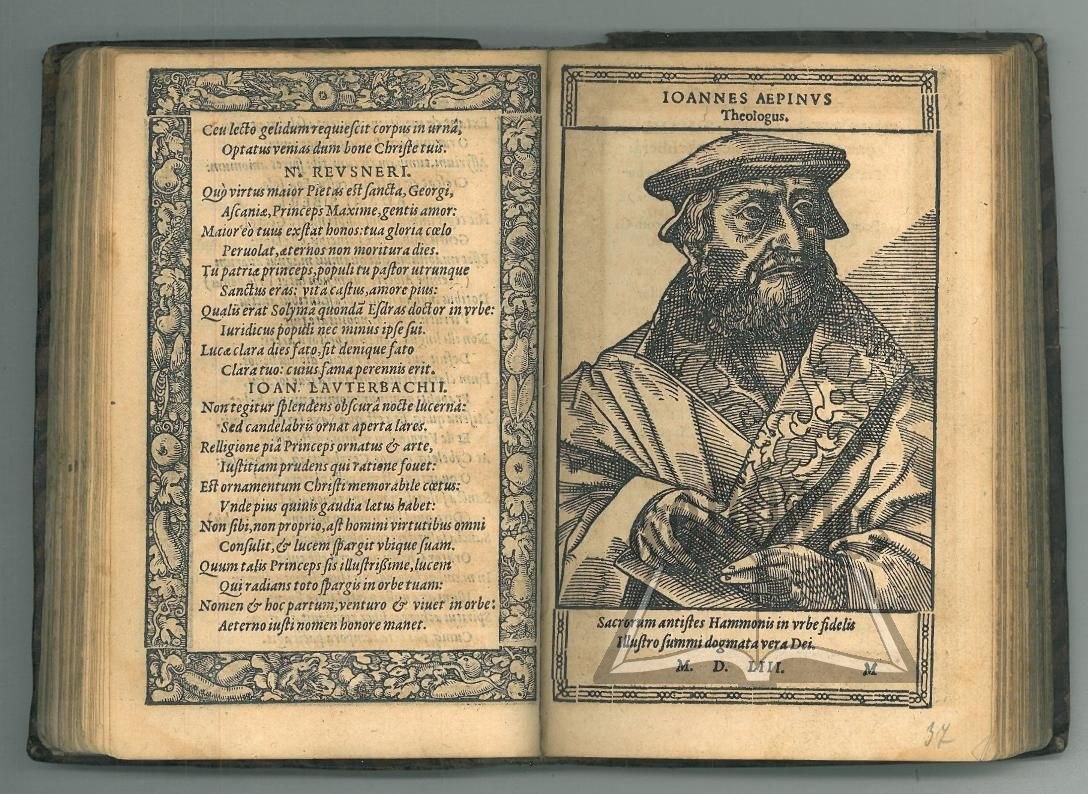
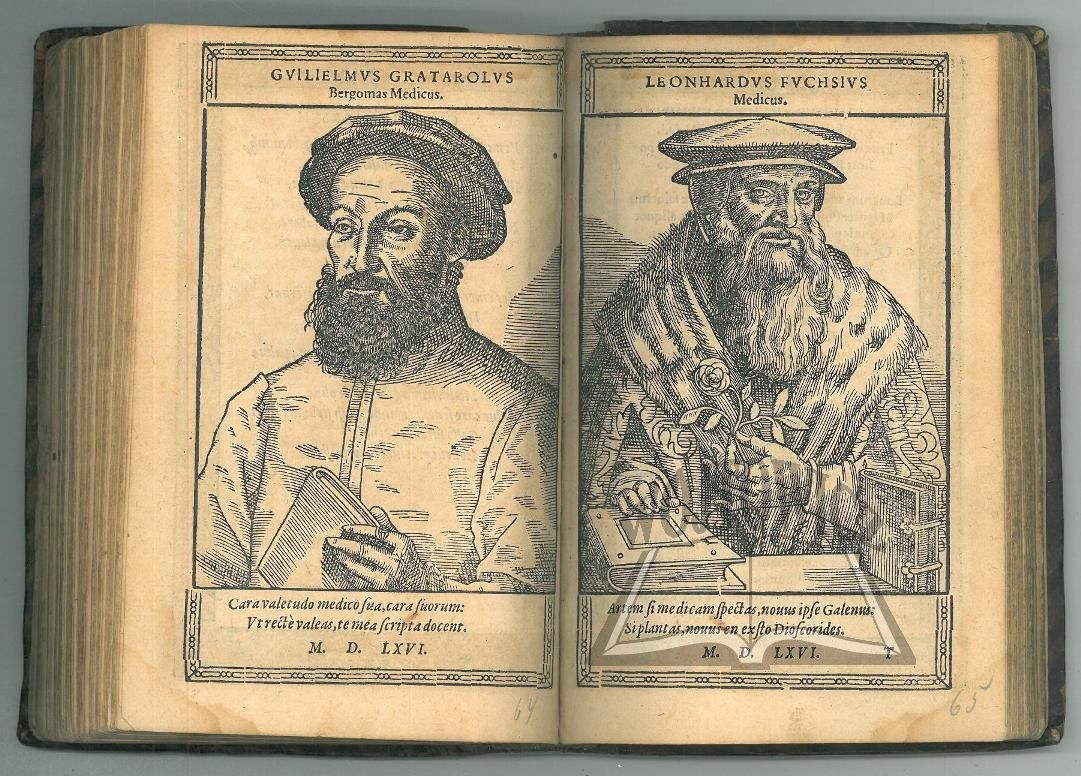
(Estr. T. 26). One of the most important illustrated works of Protestant humanism from the late 16th century, serving simultaneously as a portrait gallery, a collection of biographies, and an intellectual manifesto of the Reformation movement. The aim of the work was to preserve the memory of scholars, theologians, and reformers whose activities—in the author’s view—led to a revival of scholarship, education, and religious life in the German-speaking lands.
The author of the work was the Silesian humanist, lawyer, and poet Nicolaus Reusner (1545–1602), one of the most outstanding figures of the late Renaissance in Central Europe. Drawing on his extensive correspondence and contemporary sources, he compiled biographies of the most prominent figures of 16th-century Europe. Each portrait is accompanied by a concise biography and an elogium—a eulogistic poem written by contemporary poets and humanists. The collection contains over one hundred woodcut portraits based on works by the most distinguished artists active in Strasbourg. Among the figures presented are, among others, Martin Luther, Philip Melanchthon, John Calvin, Ulrich Zwingli, Erasmus of Rotterdam, Johannes Reuchlin, Johannes Sturm, and numerous professors from German, Swiss, and Dutch universities. Of particular significance to the history of science is the woodcut portrait of Nicolaus Copernicus included in the work—one of the earliest and most influential depictions of the astronomer, which served as a model for numerous later portraits. Each page of text features a woodcut border. The first 7 leaves are missing; there are seals; a slight loss of 1 leaf; traces of moisture and stains; leather binding with scuffs.











Viimeksi katsotut
Kirjaudu sisään nähdäksesi kohdeluettelon
Suosikit
Kirjaudu sisään nähdäksesi kohdeluettelon