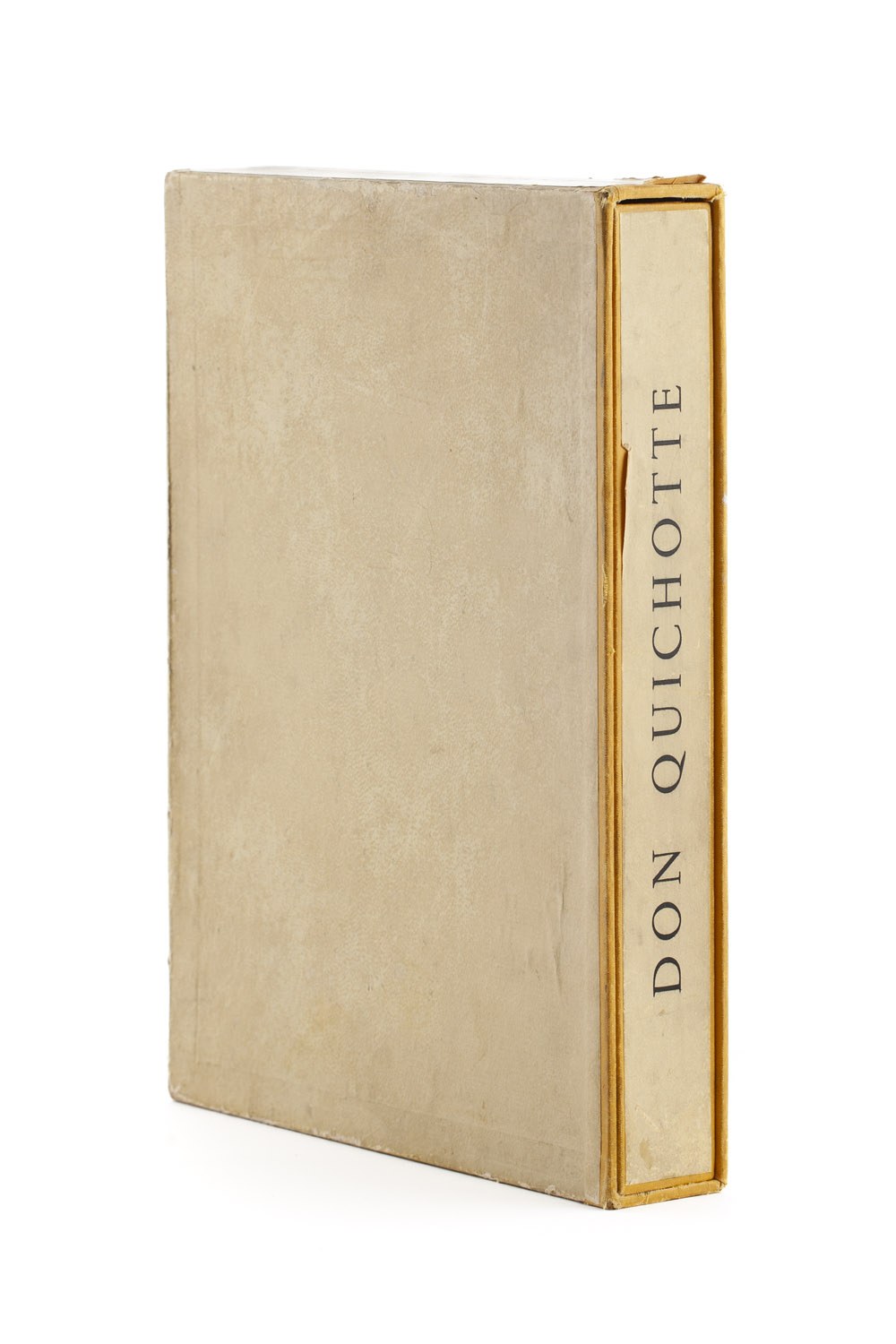
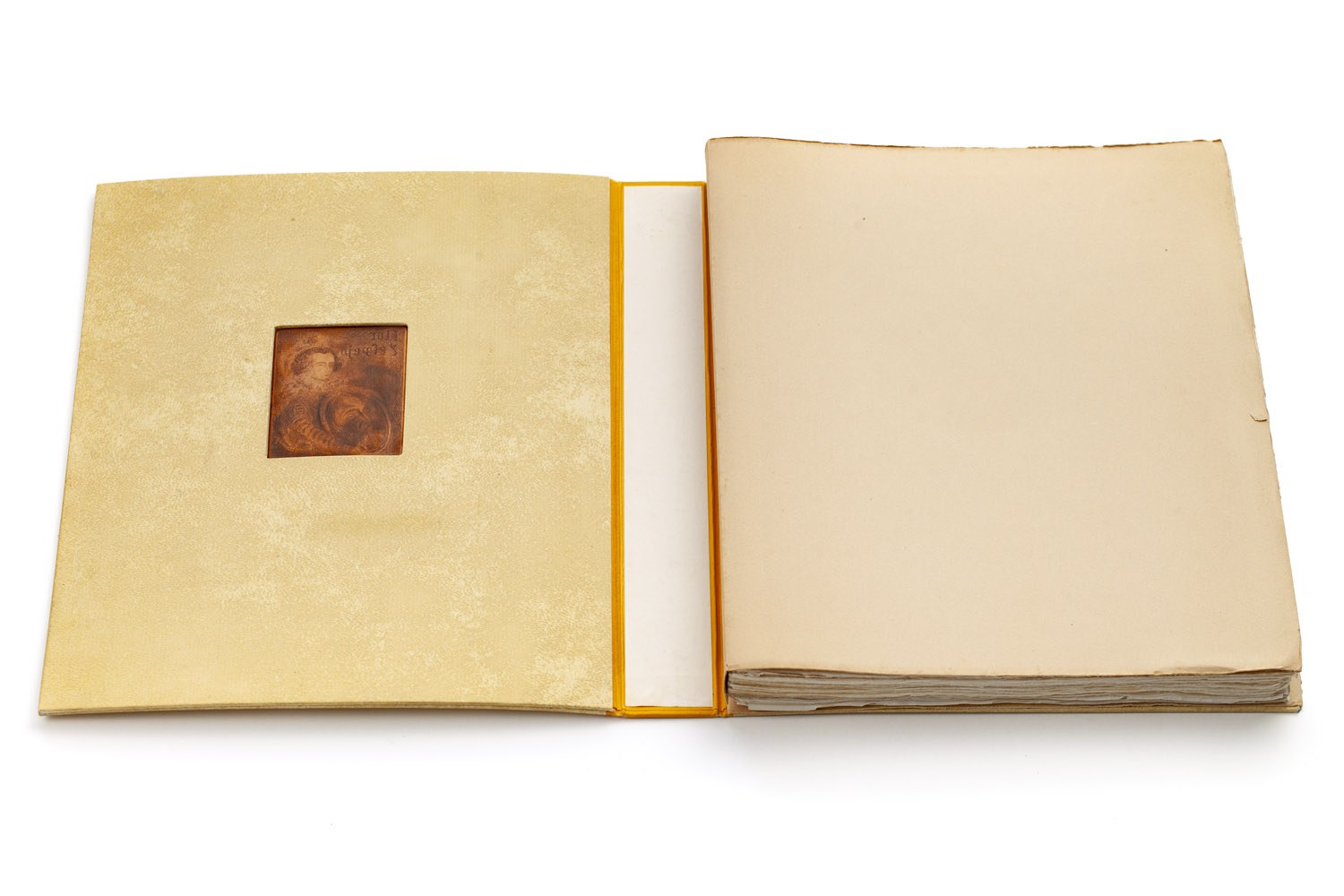
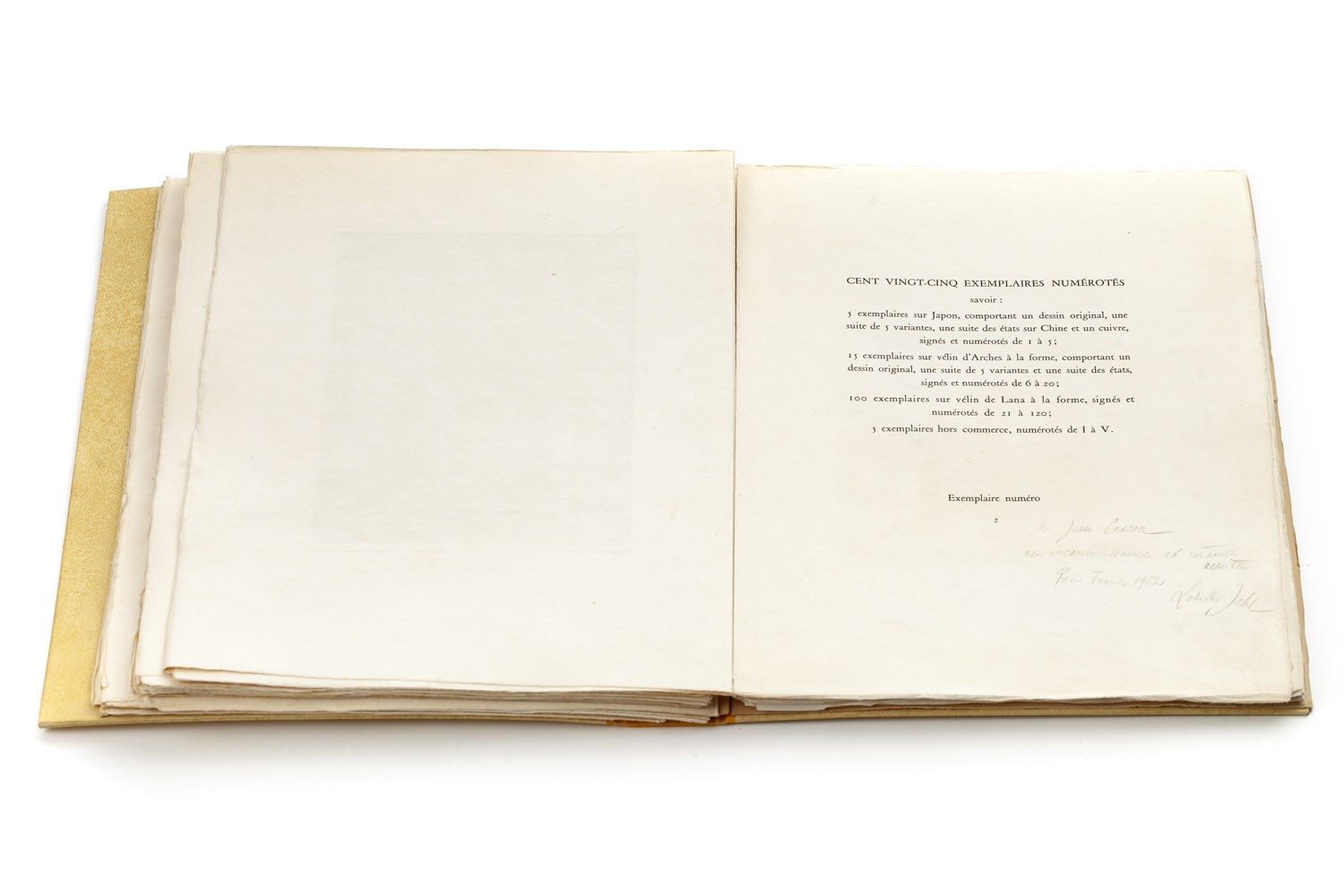

Dimensions: folder size: 36.50x26.1 cm
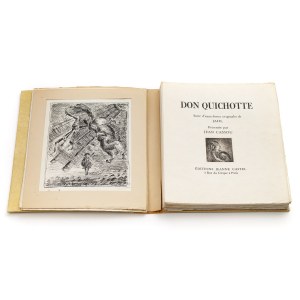
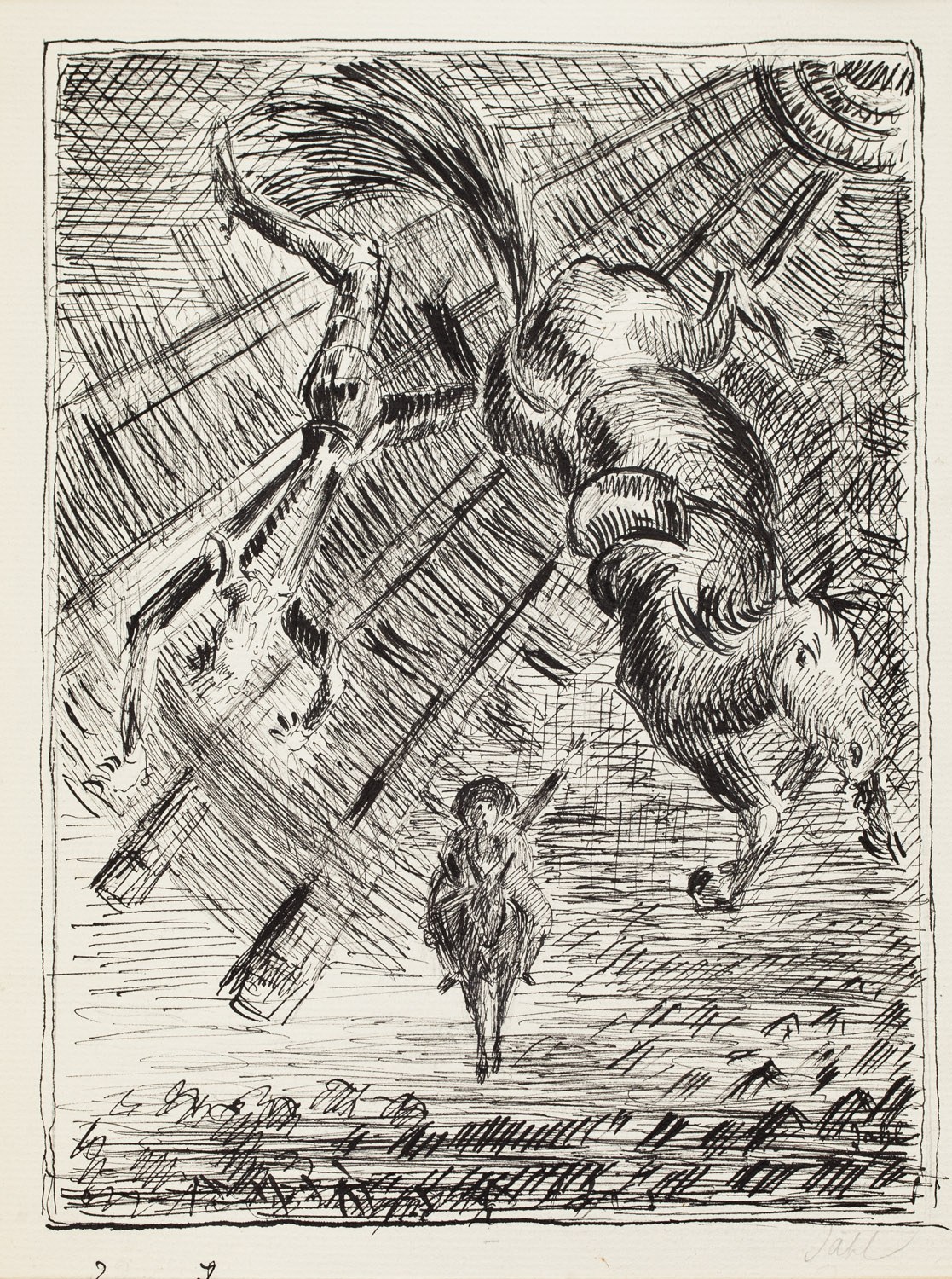
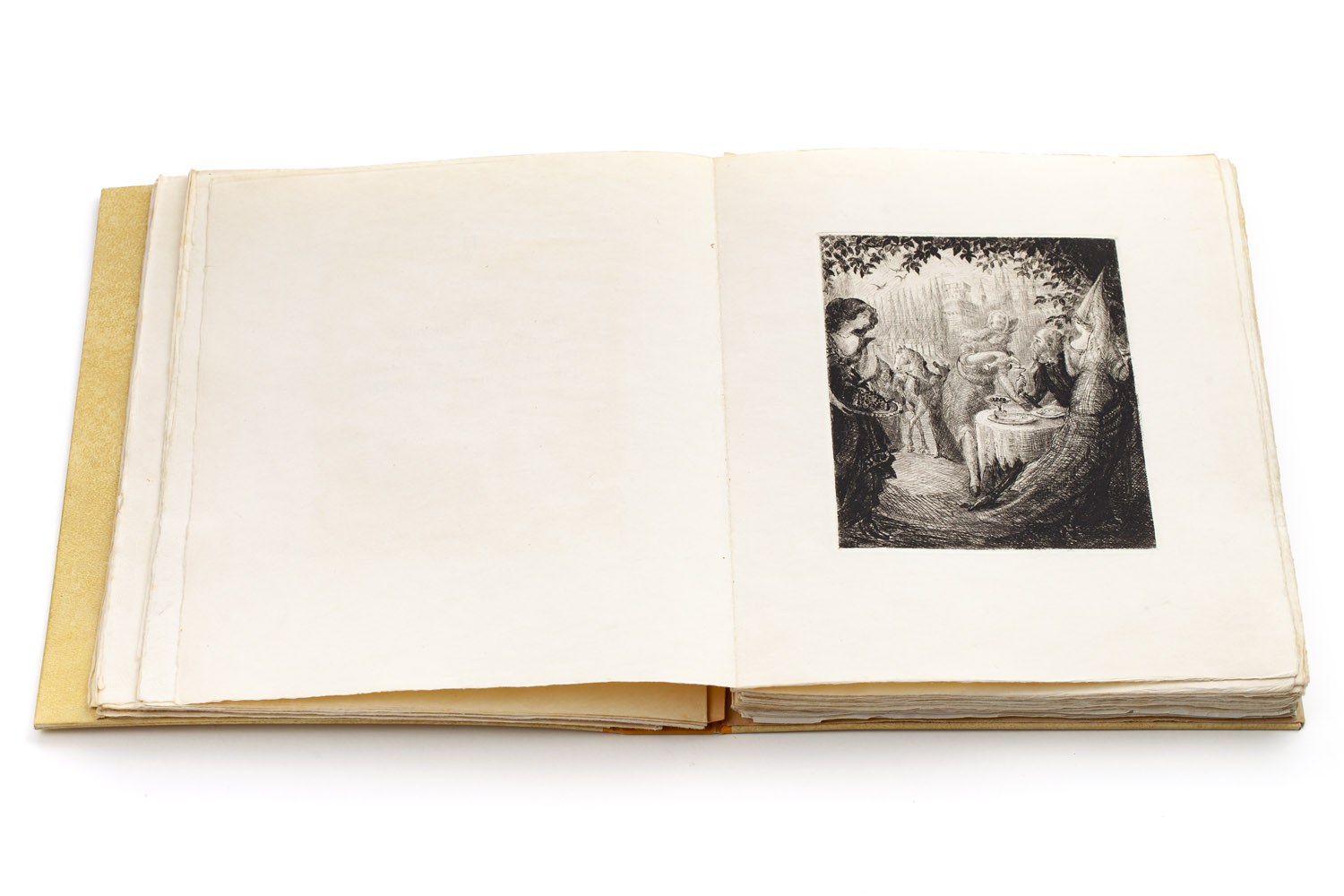
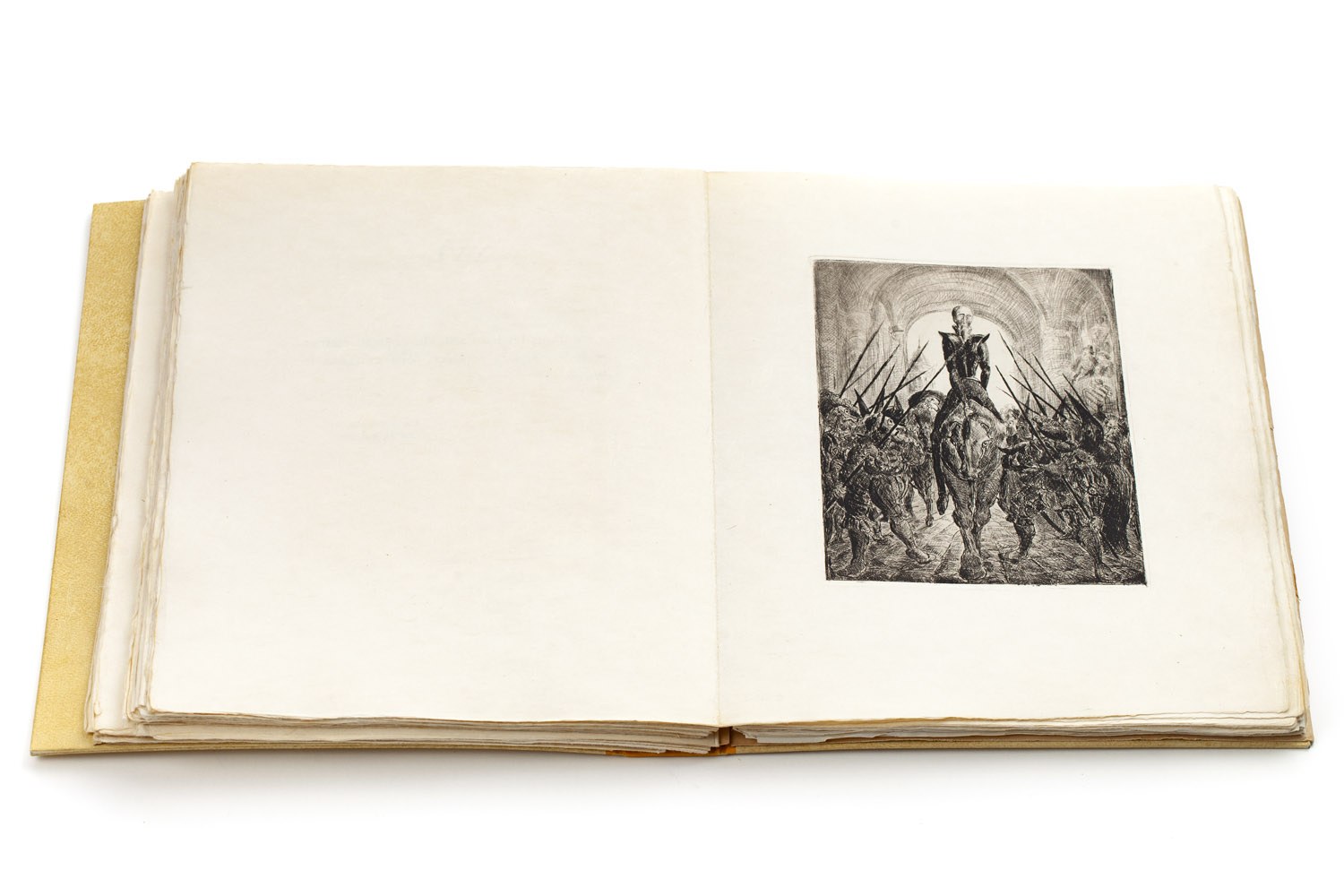
Editions Jeanne Castel, 3 etchings in text, 18 full-page etchings (plate size 19.5x15 cm);
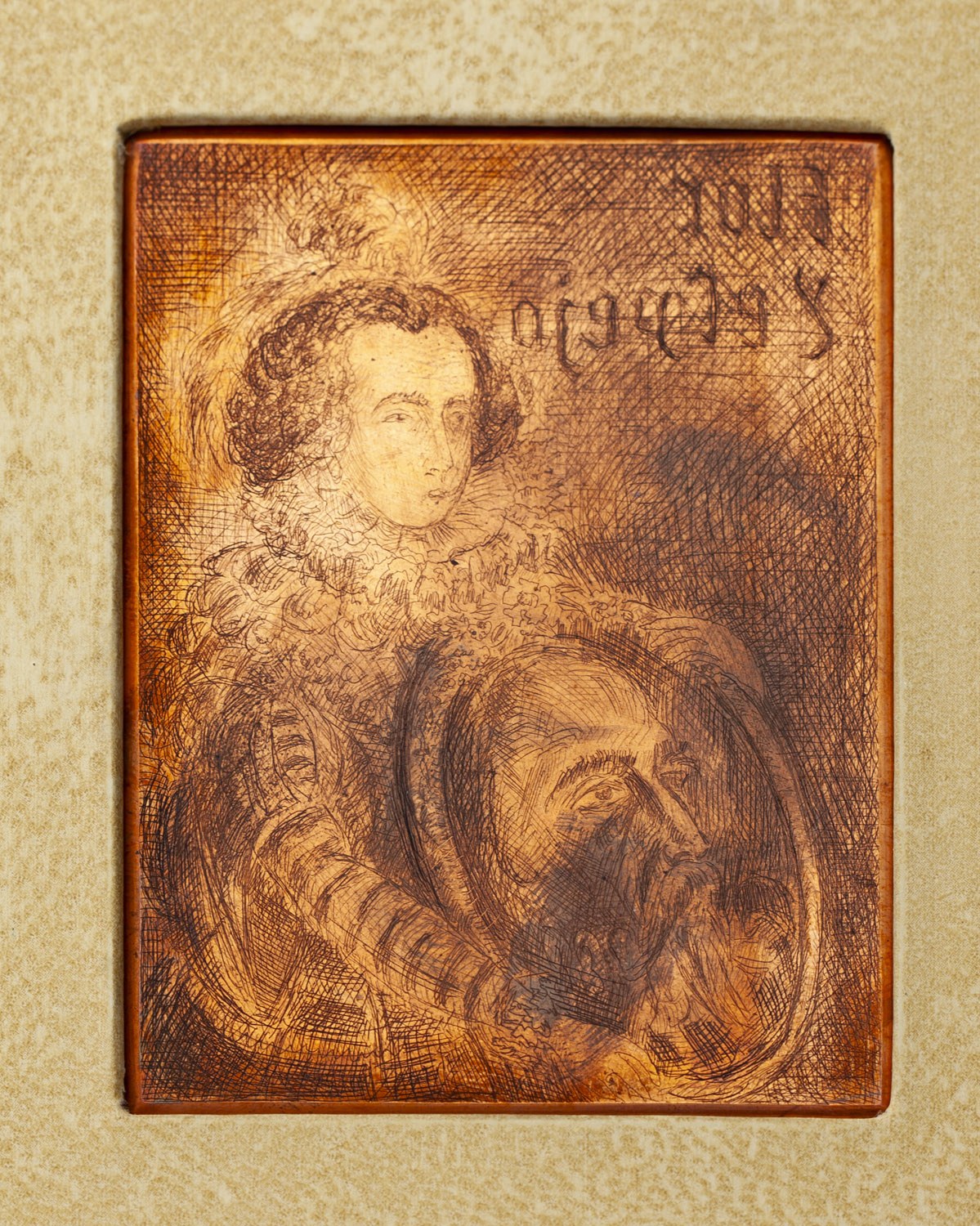
31 additional etchings, one drawing, one copperplate. The whole in a cardboard publishing folder.
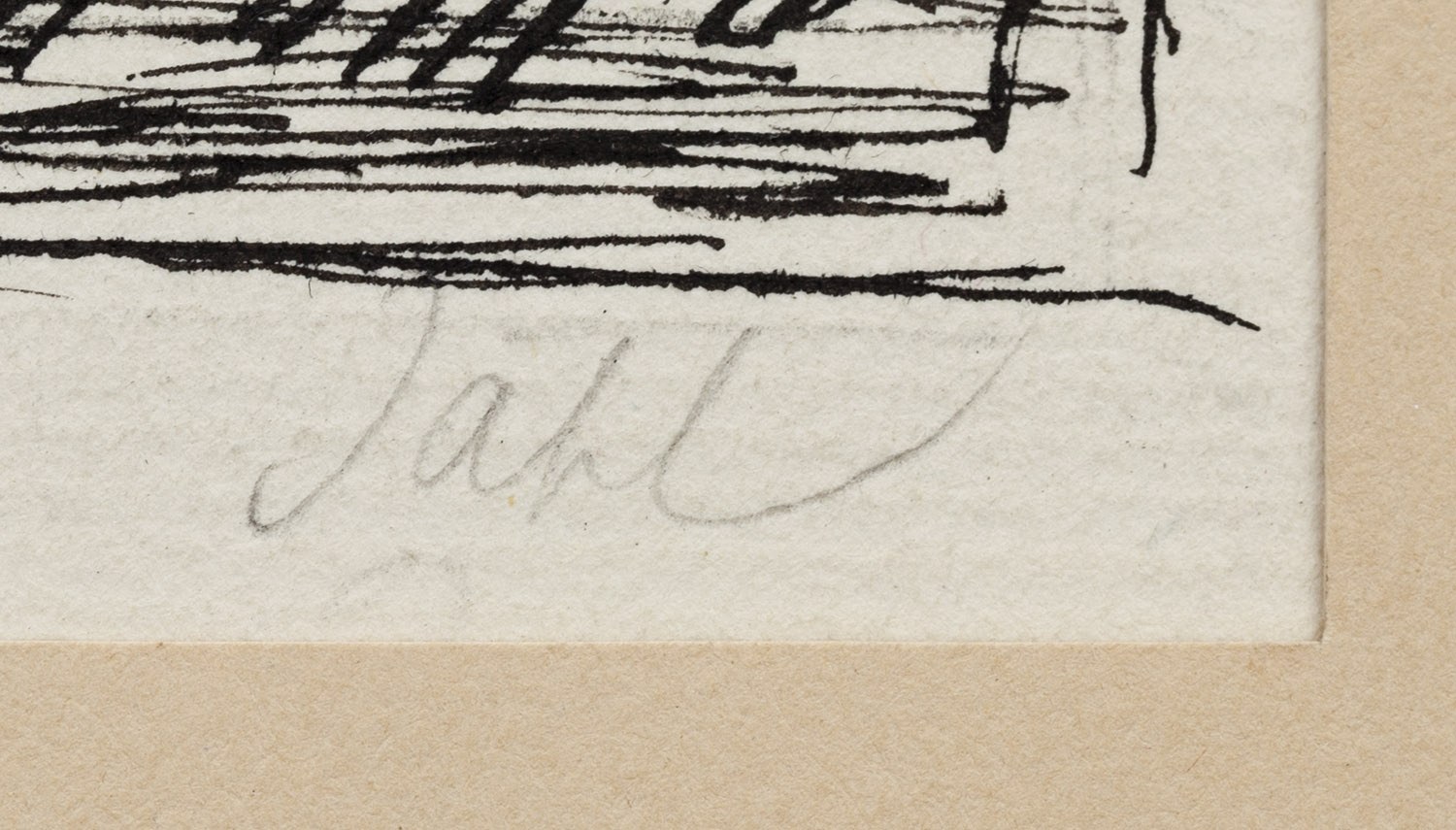
Personal copy by Jean Cassou of one of the publishers, piece number 2 dedication by Wladyslaw Jahl. One of five pieces on Japanese paper.
1. Don Quixote leaves to fight
2. Don Quixote during the feast
3. Don Quixote waits for his servant
4. Don Quixote returns home
5.Don Quixote and his squire
6.They are not giants, but mills
7.The steed and the donkey
8.Don Quixote in the heat of battle
9.Escorting captives
10.Don Quixote attacked
11. don Quixote fleeing to Sierra Morena
12. Don Quixote peeps at Dulcinea
13. Don Quixote wounded
14. Don Quixote and Dulcinea going to market
15.Don Quixote and the boar
16.Don Quixote among the pikemen
17.Don Quixote on a bed of sorrows
18 Conduct plus 31 additional etchings
Biography
He studied law in Lviv and art history in Cracow. He studied painting in Paris and with Jozef Pankiewicz in Spain (from about 1917). He lived permanently in Paris, but often traveled to Spain, where he worked as artistic director of several magazines and stage designer of the Odeon Theater in Madrid. He was associated with the École de Paris community - he was friends with Moses Kisling and Mela Muter, among others - and exhibited at the Paris Salons, as well as in Madrid, Rome and New York. He also took part in national exhibitions. His art was shaped by the influence of J. Pankiewicz, the École de Paris milieu and his fascination with Spanish Baroque painting, especially the paintings of El Greco. A large group of the artist's works left in his Paris studio was lost during the war. He painted landscapes, still lifes and genre scenes.